Moldova will strengthen safety controls over non-food products to prevent the sale of products posing a health hazard
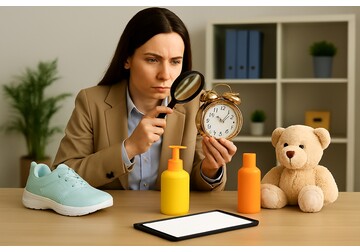
Specifically, the government has approved a new methodology for assessing the risk level of non-food products, which will allow authorities to more quickly identify dangerous products and take action. Clear criteria will be used to identify products posing a health or safety hazard, including the type of hazard, the severity of potential injuries, and the categories of consumers at risk. Depending on the hazard level, measures such as sales restrictions, product withdrawals, or recalls may be implemented. The new rules will apply to everyday products—from toys and children's products to cosmetics, household appliances, and electrical equipment that pose a fire hazard. This will allow for the identification of products that can cause burns, poisoning, or electric shock before accidents occur. The methodology will allow for the prompt notification of dangerous products through alert systems, ensuring that risks are prevented rather than simply punished later. While the methodology primarily focuses on consumer/end-user safety and public health protection, the impact on the private sector can be analyzed in terms of compliance and product recall costs. Therefore, economic operators will need to allocate resources to meet general product safety requirements, including managing product alerts and recalls. Furthermore, withdrawing dangerous products from the market may incur costs for collection and destruction of the products, as well as notification to consumers and competent authorities. It should be noted that the methodology cannot and should not be used by manufacturers in the development and production of products "solely for the purpose of preventing serious risks." Consumer products must be safe, and the methodology is intended to help market surveillance authorities identify serious risks when, despite the manufacturer's efforts, the product is unsafe. // 11.02.2026 — InfoMarket.