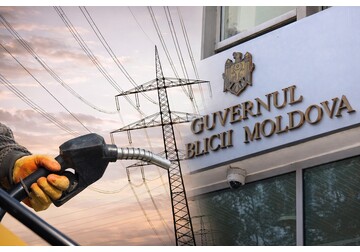
The Moldovan Cabinet of Ministers has approved measures to mitigate the risk of fuel supply disruptions and optimize the management of grid connection capacity
Specifically, the government has given its approval to draft amendments to existing legislation aimed at strengthening mechanisms for state intervention in emergency situations or energy crises. The document proposes measures that allow authorities and market participants to respond more quickly in the event of import disruptions or significant fluctuations in fuel prices. Among the key provisions is the ability for the National Energy Regulatory Agency (ANRE) to temporarily apply flexible mechanisms for calculating price caps on gasoline and diesel fuel during crisis periods. Thus, the regulatory body will be able to change the reference period used to calculate prices (for example, 7 days instead of 14) or use alternative quotations for petroleum products to promptly reflect market changes in the final price and reduce the risk of imbalances. The bill also provides for simplifying the logistics process for fuel deliveries. Thus, imported petroleum products can be delivered directly to gas stations, without the need for transit exclusively through oil depots. This measure will reduce delivery times, help avoid overloading storage infrastructure, and help prevent shortages during periods of high consumption or import difficulties. Additionally, the Ministry of Energy proposed adding a provision to the draft amendments to prevent the blocking of available capacity in power grids. The need for this measure stems from the fact that some participants in tenders for energy projects reserved, through connection notices, larger grid capacities than those actually proposed in the tenders, without subsequently implementing the corresponding projects. This practice led to the unjustified occupation of available grid capacity. Thus, these measures are necessary to prevent blocking investors’ access to the grid, prevent discriminatory treatment of applicants, and ensure more efficient use of the electric power infrastructure. // 27.05.2026 — InfoMarket.