Fitch Ratings experts assess the situation in our country to establish a new country rating for Moldova
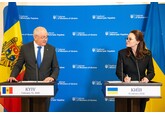
According to the Ministry of Energy, State Secretaries Carolina Novac and Cristina Pereteatcu held a working meeting with experts from the international rating agency Fitch Ratings as part of their assessment process to establish Moldova's country rating. They presented the reforms and investment prospects in the energy sector to the Fitch Ratings experts. As Carolina Novac noted, the country rating is the most important indicator of Moldova's economic reliability and its ability to attract strategic investments. According to her, in the energy sector, where large projects in renewable energy, energy storage, and energy efficiency are being implemented, including energy efficiency contracts, a high rating reduces financing costs and sends a clear signal of stability and predictability to investors. “For us, strengthening the rating is not only a macroeconomic goal, but also a condition for accelerating the energy transition and increasing the competitiveness of the economy,” she stressed. The meeting presented the main trends in the energy sector, the risk management system, structural reforms carried out in recent years, and investment prospects, especially in the field of renewable energy. Representatives of the Ministry of Energy presented priority investments in electricity infrastructure, including interconnection projects with Romania and the development of high-voltage power lines. The importance of the emergency preparedness system was emphasized, reinforced by the annual approval, starting in 2022, the Cold Season Preparedness Plan, as well as the application of the Regulation on emergency situations in the electricity and gas sectors in accordance with Regulation (EU) 2019/941 on risk preparedness. The authorities highlighted the effectiveness of these measures, as evidenced by the fact that there have been no major power disruptions in recent winters and that the power outage on January 31 was quickly resolved. During the discussions, significant progress was reported in harmonizing the legal framework for energy markets with European standards. Market liberalization reforms were also presented, under which, from April 1, all large natural gas consumers will be required to purchase gas on the free market, and from 2025, Moldova has implemented a package of measures to integrate the electricity sector and has launched organized wholesale electricity markets, including day-ahead and intraday segments. An important milestone for the independence of the gas infrastructure was the decision of the National Energy Regulatory Authority (ANRE) on August 4, 2025, to revoke the natural gas supply license for Moldovagaz and transfer its supply activities to Energocom. Representatives of the Ministry of Energy presented positive prospects for investment in the energy sector, with an emphasis on renewable energy sources. Carolina Novac announced that from February 19 to March 31, applications will be accepted for the second auction for the development of wind farms with a capacity of 170 MW, including the integration of energy storage systems (BESS). At the same time, the authorities support small investments in renewable energy sources at the residential level, waste-to-energy projects, biogas production, and research into small modular reactor (SMR) technologies. Financing programs for the residential sector and projects to improve the energy efficiency of public buildings were also presented. It was noted that the activities of the National Center for Sustainable Energy are focused, in particular, on the energy modernization of the housing stock, including through special financial mechanisms and energy efficiency contracts. Other topics discussed included the digitalization of the energy sector and the opportunities offered by Sandbox, the first space for controlled testing of innovations in the energy sector. It should be noted that Fitch Ratings previously confirmed Moldova's long-term foreign currency issuer default rating at ‘B+’ with a stable outlook. // 12.02.2026 — InfoMarket