Moldova has significant potential for improving energy efficiency, particularly in the construction sector, and energy efficiency has become a strategic tool for strengthening energy security, consumer protection, and the sustainability of public investments - the Ministry of Energy
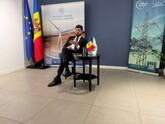
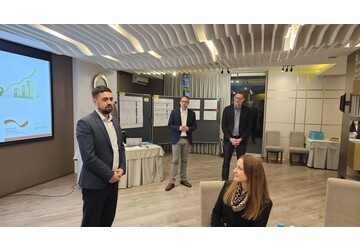
This was stated by State Secretaries of the Ministry of Energy, Vitalie Mîța and Carolina Novac, speaking at a workshop on planning GIZ projects implemented in the energy sector. The goal of the workshop was to align the E4M and FELICITY projects with those of the Ministry of Energy and the National Center for Sustainable Energy (CNED) and adjust them for implementation by 2026. The workshop reviewed the progress and implementation plans for the EcoVoucher program, the Fund for Energy Efficiency in Residential Buildings (FEERM) for low-rise buildings, and CNED financial products, including passive houses (an energy-efficient construction standard that provides a comfortable microclimate with minimal energy consumption). At the same time, the implementation of energy efficiency policies was reviewed, including the introduction of energy performance contracts (EPCs), the implementation of EMIS energy efficiency information systems, the development of passive houses, and the digitalization of the energy sector. The new State Secretary of the Ministry of Energy, Vitalie Mîța, assumed responsibility for coordinating energy efficiency policies. He thanked development partners for their support, emphasizing the importance of this area for Moldova, which has significant potential for improving energy efficiency, particularly in the building sector. "Our expectations are clear: improved coordination, increased implementation capacity, and tangible benefits for households, local authorities, and public institutions," said Vitalie Mîța. In turn, Carolina Novac emphasized that energy efficiency in Moldova has ceased to be a sectoral issue and has become a strategic tool for strengthening energy security, consumer protection, and ensuring the sustainability of public investments. "In recent years, we have made important strides in policy development, strengthening the institutional framework, and designing programs. The challenge now is to ensure that these efforts lead to coordinated and measurable results,” said Carolina Novac.// 09.02.2026 — InfoMarket