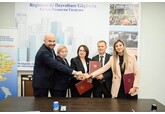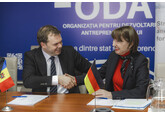
The European Union is providing €1.8 million to modernize waste management systems in Calarasi, Ungheni, and Leova
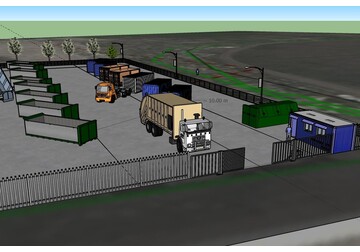
Specifically, Voluntary Collection Centers (VCCs) will be built in Calarasi and Ungheni, while Leova will receive financial and technical assistance to develop a project for such a center. These three localities were selected based on the results of a competition held in December 2025, in which 12 localities from across the country participated. The costs of construction and commissioning of the centers are covered by the EU as part of the “Promoting Inclusive Green Transition in Moldova” project implemented by UNDP in Moldova. The total investment is estimated at €1.8 million. Voluntary waste collection centers are an important component in the development of a modern, efficient, and responsible waste management system, contributing to both environmental protection and improving quality of life and promoting a sustainable lifestyle. As Ungheni Mayor Vitalie Vrabie noted, for Ungheni, the construction of the voluntary waste collection center is another important step towards creating a climate-resilient city where environmental protection is a priority. “Thanks to this project, we will continue to develop the waste management system, especially since we already have good experience in this area. At the same time, it is an indispensable element of the integrated waste management system in Zone 5, of which Ungheni is a part. We, as the authorities and the entire community, want to have a modern waste management system that meets European standards, and we are delighted that Ungheni has been chosen as the location for the construction of the voluntary waste collection center,” said the mayor of Ungheni. The initiative aims to develop and modernize an integrated municipal waste management system at the city level, which will have a direct impact on the environment and the well-being of city residents. In the initial phase, automated waste collection points will collect: bulky waste (mattresses, furniture), end-of-life products such as electrical and electronic equipment, batteries and accumulators, glass packaging, wood, paper, and cardboard waste, used textiles, used tires, plastic packaging, and metal packaging (aluminum cans). Each center will be equipped with special containers for each category of waste, ensuring organized and efficient collection. All collected waste will be transferred to authorized companies that will ensure its recycling or disposal. The waste collection centers in Ungheni and Calarasi will be integrated into the regional waste management system, which is currently being implemented in Waste Management Zone No. 5, of which these two settlements are part. Construction work is scheduled to begin in the spring of 2027, and the centers are expected to be operational in the fall of the same year. The voluntary waste collection centers will be built in the context of the implementation of waste management legislation, with local authorities responsible for establishing an effective collection system and gradually ensuring the necessary conditions for the separate collection, transport, treatment, and final disposal of waste. Authorities may also develop, in partnership with extended producer responsibility (EPR) collective systems, additional collection services for products covered by EPR, such as electrical and electronic equipment, batteries and accumulators, or packaging. To create an integrated municipal waste management system, local authorities must ensure that the necessary land is allocated and that at least one voluntary waste collection center per 50,000 residents is established for the collection and processing of specific waste streams. // 03.03.2026 – InfoMarket.