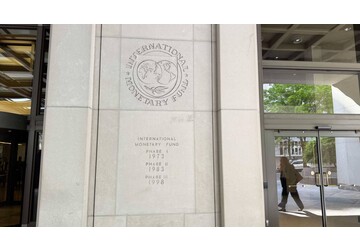
Moldova's economy is recovering after a series of shocks, but ambitious reforms are needed to address structural problems, and continued engagement with the IMF will be key to restoring reform momentum and supporting the EU accession process - the IMF
The IMF Executive Board announced this after completing consultations under Article IV of the IMF Agreement. The Fund's materials note that Moldova's economy is recovering after a series of shocks, but long-standing problems remain, including high emigration, low competitiveness, and limited institutional capacity. The EU accession process and the EU Growth Plan offer an important opportunity to address these challenges, achieve higher economic growth, and improve living standards. To seize this opportunity, Moldova needs ambitious reforms to address structural problems and prudent policies to strengthen resilience and maintain macroeconomic stability. The budget deficit is expected to increase to 4.8% of GDP in 2026 due to significant growth in capital expenditure and some growth in current expenditure. The implementation of planned tax reforms should help mitigate this burden. Inflation in Moldova is expected to remain within the target range set by the National Bank of Moldova of 5% (±1.5%) in 2026, but the high level of uncertainty in this regard requires the authorities to pursue a cautious and adaptive strategy, and any changes in the base interest rate should be driven by inflation and economic growth dynamics. The banking sector remains stable, but the rapid increase in lending and the rapid rise in housing prices require careful monitoring. Fund experts note that strengthening measures aimed at assessing the creditworthiness of borrowers will help limit risks. Financial sector reforms are designed to address remaining gaps in supervision and crisis management. It is emphasized that Moldova needs to make further efforts to improve crisis preparedness in the energy sector and ensure energy security. Resuming public administration reforms is crucial to improving the business environment and protecting public resources. Large-scale structural reforms should help boost productivity and unlock economic growth potential. The IMF report states that Moldova's recovery from a series of shocks is continuing, with economic growth expected to reach 2.7% in 2025 and 2.3% in 2026, supported by a good harvest, strong domestic demand, and significant EU funding. Household consumption and investment are supported by steady wage and credit growth. At the same time, industrial production has grown significantly, partly due to the food processing sector. Weak exports are holding back growth and widening the country's current account deficit. Inflation is expected to return to the target range. In the medium term, the economy is expected to grow at a moderate pace, as investment growth and reforms aimed at increasing productivity will contribute to potential growth in the economy, while the labor market situation remains less than favorable. At the same time, risks remain high in terms of factors negatively affecting economic growth, although the situation looks better in terms of inflation. The main risks are related to the war in Ukraine and other geopolitical events, as well as delays in the implementation of the EU Growth Plan or the misuse of the funding provided. The Fund's Executive Directors agreed with the main conclusions of the IMF staff analysis. They welcomed Moldova's ongoing economic recovery and continued progress toward EU accession, despite numerous shocks. Noting the improved outlook, the Executive Directors emphasized that Moldova faces long-standing challenges, high uncertainty and risks related to regional and geopolitical developments, as well as potential delays in the implementation of reforms. Accordingly, they stressed the need for prudent policies to safeguard macroeconomic stability and ambitious structural reforms to strengthen governance, stimulate economic growth, and enhance resilience. Noting the authorities’ interest in a new agreement with the IMF, Executive Directors emphasized that continued engagement with the IMF would be key to restoring reform momentum and supporting the EU accession process. Executive Directors agreed that a temporarily higher budget deficit is warranted to support the transition to investment-led growth. They emphasized the importance of more effective execution of capital expenditures and public financial management, as well as revenue mobilization to sustain higher levels of capital spending, especially as concessional financing declines. Executive Directors welcomed the planned reform of the public sector wage calculation system, emphasizing that the associated costs should be covered by additional domestic revenues. They supported the authorities’ efforts to simplify taxes and eliminate exemptions, particularly for VAT. Executive Directors noted the timely response of the National Bank of Moldova to rising inflation following the energy shock in early 2025. They emphasized that monetary policy should remain cautious and appropriate to the situation, and that further changes in the policy rate should be guided by inflation and economic growth dynamics. Executive Directors noted that reserve requirements on bank deposits remain high and recommended lowering them once inflation risks have diminished. They also called for measures to further strengthen the independence and governance of the central bank to protect confidence in its policies. Maintaining exchange rate flexibility with sufficient foreign exchange reserves is important for absorbing shocks. Executive Directors welcomed efforts to improve the regulatory and supervisory framework for banks. Emphasizing that the banking sector remains sound, they welcomed the recent tightening of macroprudential policy and highlighted the need to continue to closely monitor strong credit growth and rising house prices. They also called for further progress in strengthening risk-based supervision, crisis management, and improving anti-money laundering and counter-terrorist financing systems in line with FSAP recommendations. Executive Directors urged the authorities to advance structural reforms to stimulate growth and enhance competitiveness. Noting Moldova's vulnerability to energy supply shocks and price volatility, they called for further strengthening of energy security and crisis response processes. Executive Directors strongly recommended making decisive progress in public administration reforms and the fight against corruption to improve the business climate and protect public resources. To unlock growth potential, it is important to take measures to increase labor market activity, address skills mismatches, and improve infrastructure and the investment climate. Executive Directors emphasized that the timely and effective implementation of the EU Growth Plan and other EU accession-related actions are key to supporting reforms. The next round of consultations with Moldova under Article IV of the IMF Agreement is expected to take place in accordance with the standard 12-month cycle. // 02.03.2026 – InfoMarket.