

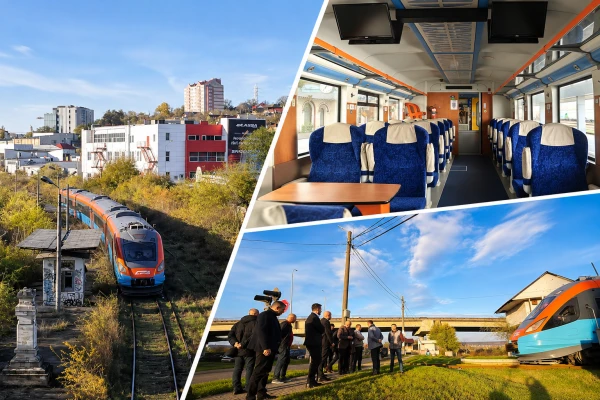
Moldova Railways (CFM) tested a new route: Straseni—Chisinau—Revaca—Singera
CFM conducted tests on a new railroad route: Straseni—Chisinau—Revaca—Singera
CFM conducted tests on a new railroad route: Straseni—Chisinau—Revaca—Singera
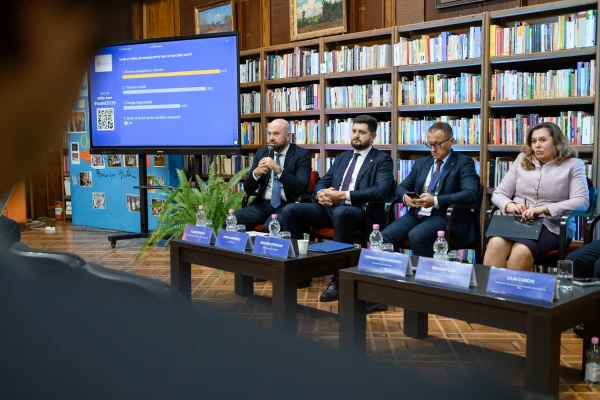
Moldova intends to accelerate the alignment of its transportation legislation with EU standards and complete key reforms in the railway and aviation sectors by the end of 2026. Authorities are also discussing infrastructure upgrades that take into account safety, accessibility, and environmental sustainability requirements, which could significantly change operating conditions in the industry and passenger transportation.
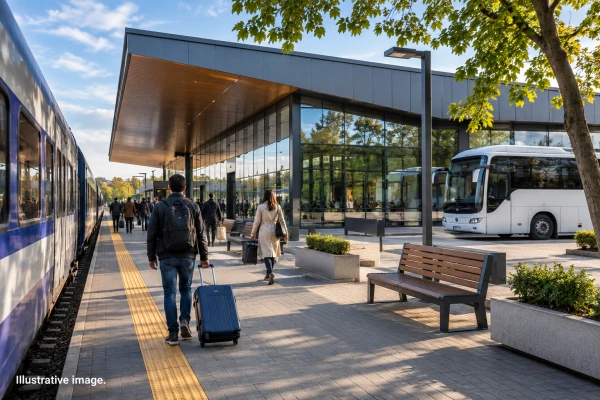
Plans are underway to build the first multimodal station in Ungheni, which will integrate rail and road transportation. The initiative is part of a broader discussion on transportation connectivity and local development, which also addressed issues such as infrastructure management, the distribution of authority, and the financing of road projects.
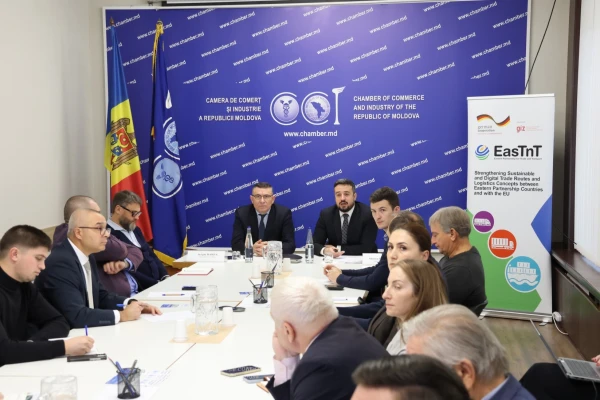
Railway sector reform is continuing in Moldova, with the aim of changing the model for managing infrastructure and transportation and creating a more business-friendly environment. Authorities and representatives of the business community discussed what steps still need to be taken to complete the reorganization and what changes might affect rates, service quality, and market development.
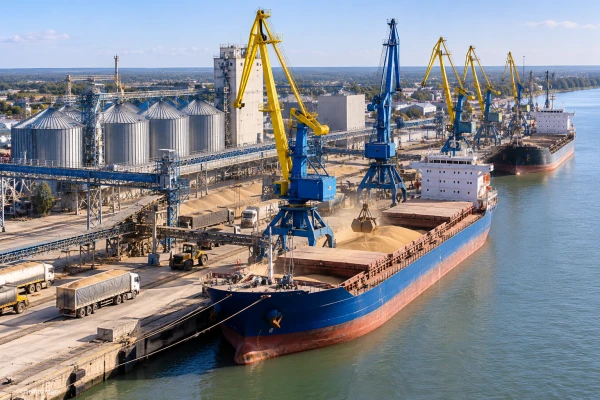
Moldova has proposed developing a joint strategy for port infrastructure development in conjunction with Romanian maritime and river hubs, with a focus on closer coordination of cargo flows and logistics services in the region. The initiative was presented amid discussions of major transportation projects that could reshape the connections between Moldova, Romania, and the European transportation network.

Moldova is preparing a public-private dialogue on railway reform, where key issues related to the modernization of the industry, business access to services, and further integration into the European network will be discussed. The focus will also be on changes in the operations of the relevant state-owned enterprise, tariff policy, and the challenges companies face in transportation.
The ports of Giurgiulești in southern Moldova have seen a significant increase in cargo volume over the past nine months, and authorities and European partners are discussing the further development of the transportation hub and its connections with neighboring countries. The focus is on modernizing access infrastructure, relieving congestion at the border crossing, and redistributing some of the traffic flows among road, rail, and sea transport.
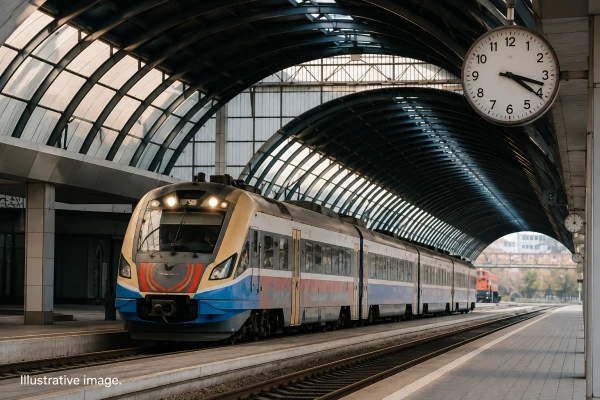
The Moldovan Parliament approved, on its second reading, a bill on the reorganization of the state-owned railway enterprise, which is to be completed by the end of 2026. The reform calls for the separation of infrastructure and transportation operations and a change in the industry's organizational model; the full version of this article provides details on the stages of the transformation, the legal mechanisms involved, and the implications for the market.
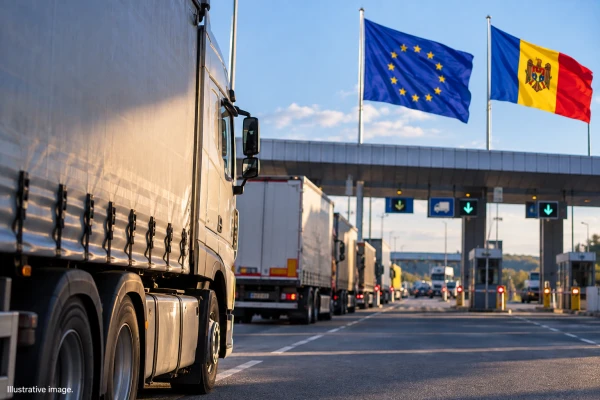
84.5% of Moldova's exports to the European Union are transported by truck; in the first half of 2026, goods worth 895 million euros were delivered to the EU by this means

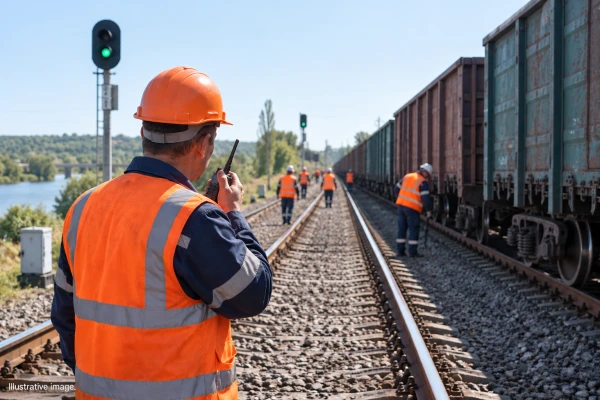
Train service has resumed in Moldova on the Cahul–Prut-2 section, where five open-top cars had previously derailed
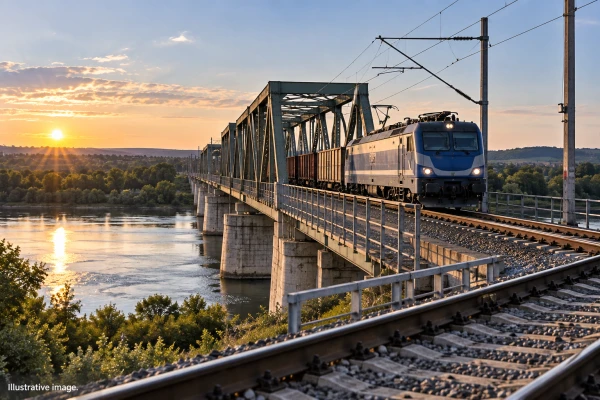

The European Union has awarded Moldova a grant of 20 million euros for the reconstruction of sections of the "North-South" railway corridor along the route Vălcineț – Ocnița – Bălți – Ungheni – Chișinău – Căinari
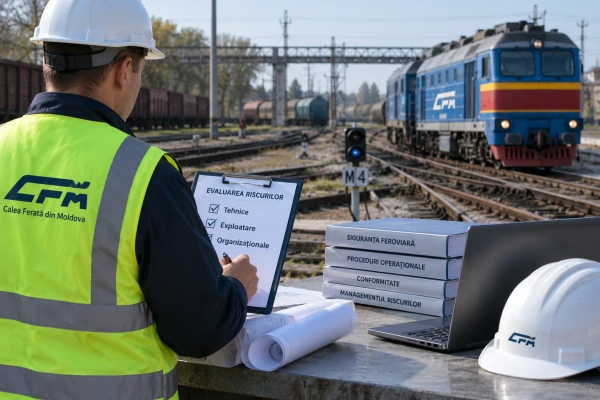
Moldova's railway sector is introducing uniform rules for risk assessment and management in connection with major technical, operational, and organizational changes. The new methodology will affect both existing operators and future market participants; the full version of this article provides details on which inspections will become mandatory and how this will impact investment projects.

Loading…