

Moldova and the EU will begin negotiations on new clusters on October 13 in Luxembourg
The 4th Moldova-EU Intergovernmental Conference will take place on October 13 in Luxembourg, where negotiations on two additional clusters will officially begin
The 4th Moldova-EU Intergovernmental Conference will take place on October 13 in Luxembourg, where negotiations on two additional clusters will officially begin
The European Union has launched a new project in Moldova aimed at modernizing public administration and accelerating digital reforms. The initiative provides comprehensive support to key institutions and could have a significant impact on the quality of public administration and the delivery of services to citizens.

Moldova is tightening requirements for tobacco health warnings on packaging: the warnings will be more prominent, and the rules for their placement will be stricter. The new regulations will also apply to e-cigarettes and related products, and the bill includes additional measures that could affect the market access of certain products.
The European Union is ready to open two more negotiation clusters for Moldova: "Internal Market" (Cluster 2) and "Competitiveness and Inclusive Growth" (Cluster 3)
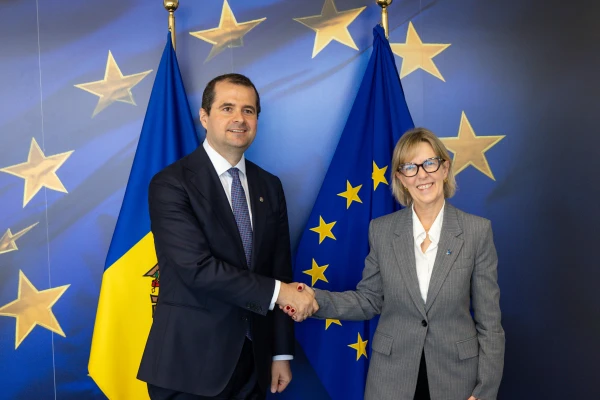
Moldova is discussing with the European Commission new measures to reduce the budget deficit and bring the financial sector into line with EU standards. The talks in Brussels also touched on tax reform, the restructuring of state-owned enterprises, and further conditions for receiving European support.
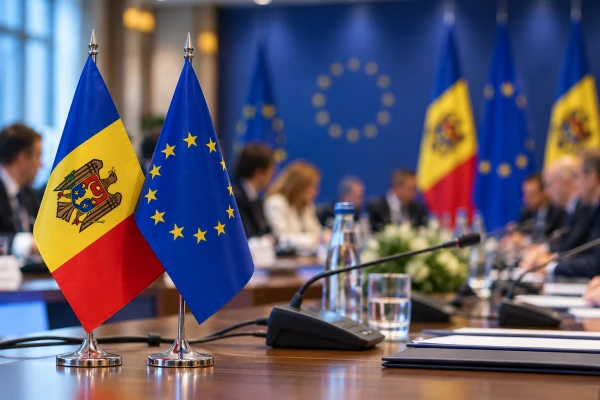
The European Union and Moldova reaffirmed their commitment to accelerating accession negotiations and discussed the further opening of the remaining clusters. At the meeting in Brussels, the parties also addressed issues related to reforms, security, energy sustainability, and new financial support; however, the key details and parameters of the decisions will only become clear once the full text is available.
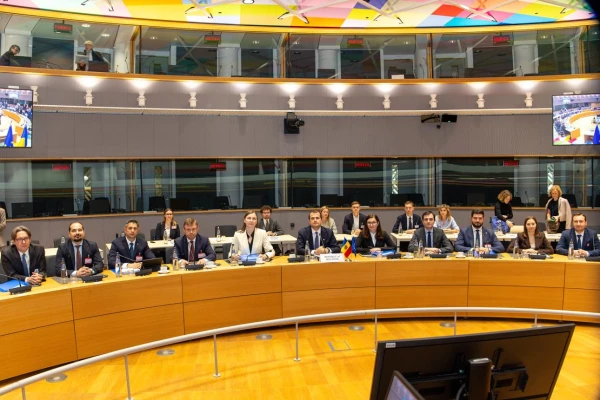
Moldova plans to complete the technical work required to conclude negotiations on accession to the European Union by early 2028 and to prepare the country for EU membership by 2030, and the new tranche of 157 million euros allocated to it will expand opportunities for financing domestic investments—Vasile Tofan
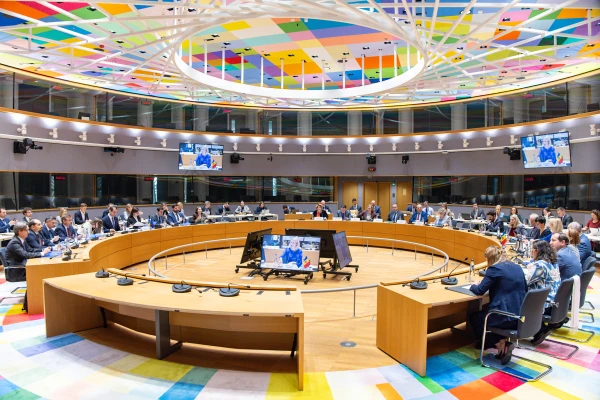
The European Commission is allocating a new tranche of 157 million euros to Moldova in recognition of its progress in implementing reforms under the Economic Growth Plan; the total funding under this Plan has reached 661 million euros
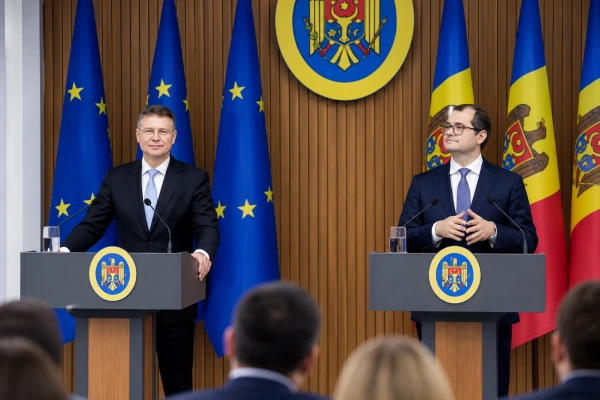
The European Union is preparing another financial tranche for Moldova as part of the Growth Plan, after the country has already received a significant portion of the planned support. Discussions were also held in Chisinau on the progress of reforms, which will determine further disbursements and the pace of the republic's economic integration into the European market.
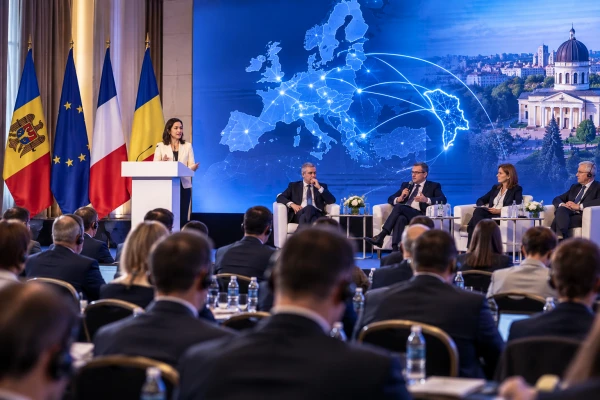
An international conference will be held in Chisinau on the coordination of economic and monetary policy in the context of accelerated European integration. The discussion will focus on selecting the optimal instruments for the period of convergence with the EU, the impact of integration on the economy, and approaches to managing fiscal risks, with the participation of high-ranking representatives from European financial institutions and regulators.
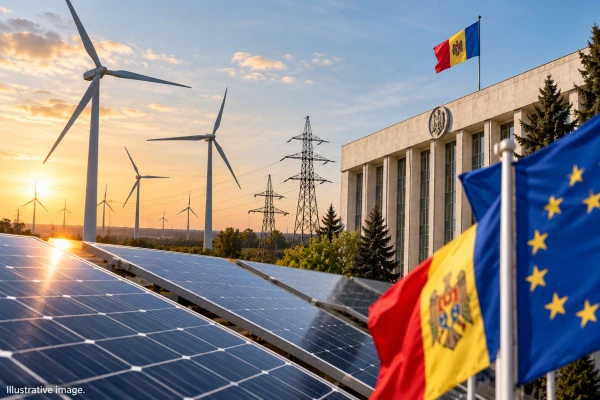
The government has approved Moldova's new Energy Strategy for 2026–2050, achieving the goals of which will require total investments estimated at approximately 43 billion euros (equivalent to about 864.3 billion lei) by 2050
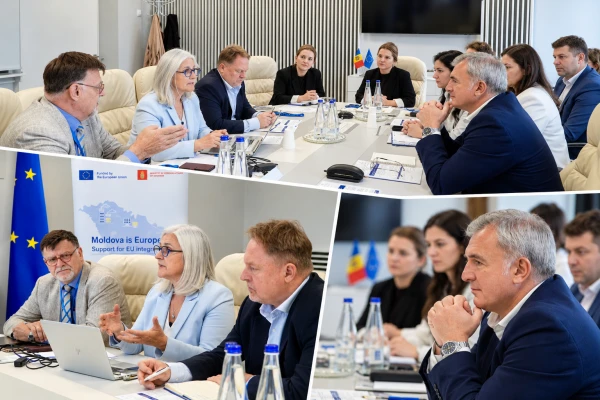
Moldova is developing a national program to modernize meat and dairy processing plants, which is intended to help the industry adapt to EU requirements. As part of the initiative, consultations with European experts are already underway, and the full version of the article provides details on the upcoming changes, assessment mechanisms, and how this will affect the country's food market.
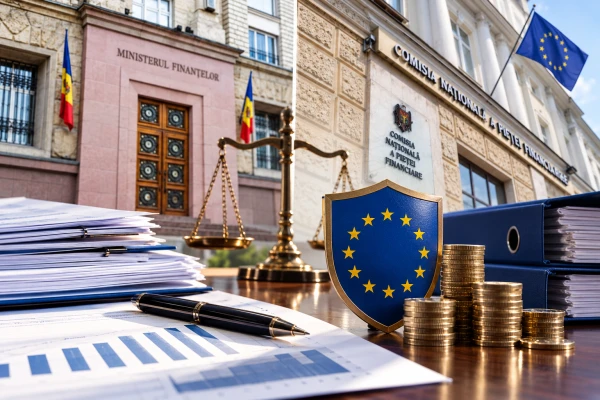
Moldova is consolidating its securities issuance and investor protection frameworks as part of the harmonization of the national capital market regulatory framework with EU legislation
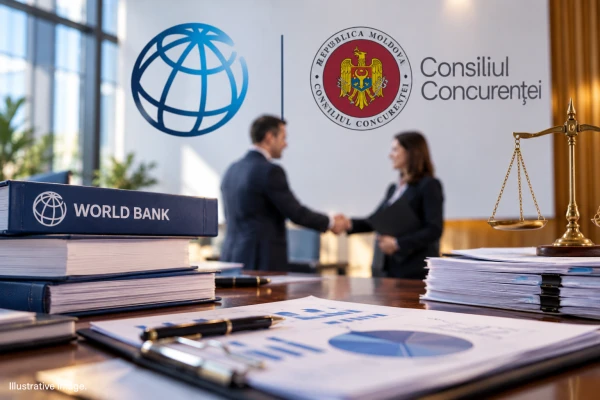
The Moldovan Competition Council, with support from the World Bank, has begun an assessment of its work, which is intended to serve as the basis for the agency's future reforms. The assessment focuses on internal processes, resource allocation, and organizational structure, as well as a comparison with similar agencies in other countries; a roadmap for change is expected to result from this process.
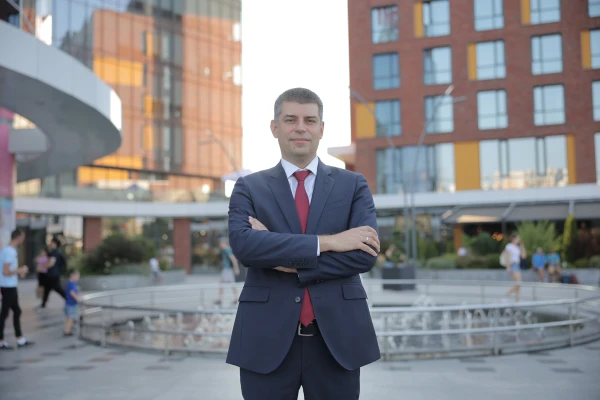
Igor Stratan, Director of the Network and Alternative Channels Department at Moldindconbank
Loading…