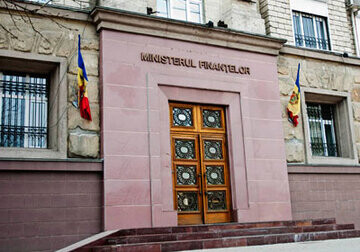
Moldova to introduce new fiscal and tax policy rules and adjust the budget calendar
The Ministry of Finance has proposed corresponding amendments to the Law on Public Finance and Fiscal Responsibility. According to the draft, the projected budget deficit level, as set forth in fiscal policy, must not exceed the reference level of 3% of GDP (currently 2.5%). A reference level for the public debt-to-GDP ratio—60%—is also being introduced. Corrective measures are provided for: if the debt is within the 50–60% of GDP range, the budget deficit must not exceed 2% of GDP, and if the 60% threshold is exceeded, it must not exceed 1% of GDP. According to the draft, the deficit level will be set depending on the level of public debt and the ability to service it, as assessed by the ratio of annual public debt service to national public budget revenue. If this ratio exceeds 10%, the public deficit may not exceed 2% of GDP until the ratio falls below the established level. Deviations from these rules will be permitted in the event of natural disasters or other emergencies, a severe economic downturn, or a financial crisis, etc., but only for a period of three years. At the same time, the government is required to justify the reasons for deviating from fiscal rules and present a plan for returning to compliance with them in budget documents and medium-term budget planning. It is also proposed to shift the budget calendar: the government will approve the medium-term budget forecast and submit draft amendments to certain legislative acts to parliament by June 15, rather than June 1 as currently required, and parliament will approve the amendments and additions resulting from the budget and tax policy for the coming year 15 days later, by July 31. Another change is that budget planning will be based on realistic forecasts developed using the most prudent macroeconomic scenario and current data. These forecasts must be compared with the European Commission’s assessments and, if necessary, those of other independent international institutions. In the event of significant discrepancies with the European Commission’s forecasts, the authorities will be required to provide detailed justifications, particularly in cases of deviations in key external parameters. The draft also provides for regular assessments of the forecasts by the Fiscal Council. If systematic and significant deviations are identified over a period of at least four years, the government is required to take corrective measures and ensure their public disclosure. The reforms are expected to improve the accuracy of budget planning and the transparency of fiscal policy. The draft also clarifies terminology, the procedure for accounting within the budget system, requirements for publishing information on public debt (quarterly) and information on state guarantees (monthly), etc. Consultations on the draft will continue until April 15. Some of its provisions are proposed to take effect upon publication, while others are to take effect after Moldova’s accession to the EU. The bill must be approved by Parliament. // 02.04.2026 – InfoMarket.