Moldova Will Introduce VAT and a Processing Fee for Low-Cost Imported Packages
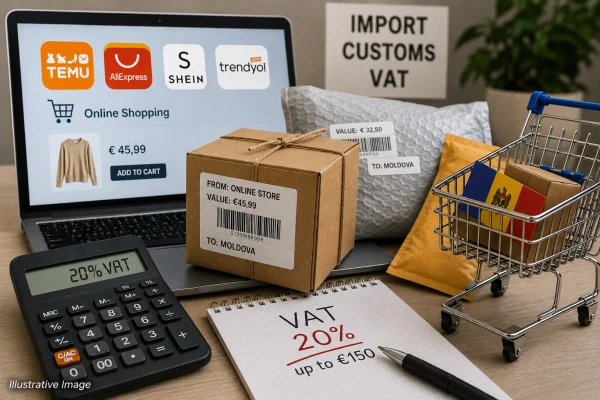
In Moldova, a special VAT regime and a processing fee of 12 lei per package will be introduced for goods imported through online commerce with a value of up to 150 euros
On Tuesday, the Moldovan government approved a draft of a new tax and budget policy, the implementation of which is expected to generate an additional 5.1 billion lei for the budget
In Moldova, the VAT rate on feminine hygiene products will remain at 8%; the authorities have abandoned their plan to raise it to 20%
Moldova's latest economic briefing points to rising fiscal pressure, continued energy-sector caution and a series of regulatory changes that will affect imports, investment projects and the power market in the coming weeks. The full review also tracks shifts in trade, banking flows and support measures for education and regional development, with several important deadlines already on the calendar.
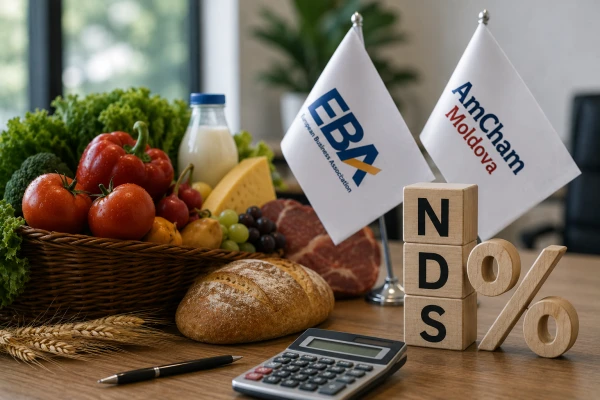
Two major business associations have put forward proposals to adjust tax policy in the agricultural sector, insisting on maintaining preferential VAT rates for key categories of agricultural products. According to their assessment, the planned changes could complicate producers' operations, increase costs, and affect prices; however, the full version of the article provides details on the controversial rates and the most sensitive product groups.
Moldova's Ministry of Finance is discussing changes to the tax and customs regime for packages from foreign online stores with postal and courier service providers as part of its preparations for the 2027 tax policy
In Moldova, a petition has been launched on a government platform to preserve the tax exemption for small packages from the EU or to introduce a mechanism that would prevent double taxation. The initiative emerged amid upcoming changes to the rules governing the import of postal items and has already sparked a debate about how the new regulations will affect consumers and e-commerce.
The State Tax Service reported a continued rise in tax collections to the national public budget since the start of the year, with gains recorded across all major budget components. Last week's enforcement and audit activity also resulted in additional liabilities, VAT refund decisions and confiscation-related proceeds, underscoring the agency's intensified collection efforts.
Moldova is preparing a phased change to the tax regime for a number of goods imported into Transnistria: in the first phase, the new rules will apply to a limited list of products, and the list will then be expanded. The authorities hope to gradually level the playing field for businesses and reduce existing exemptions; however, the details of the reform and its implications for the market will only become clear once the full text of the draft is available.
The Ministry of Finance explained that the proposed change to the VAT rate on grains is intended to standardize taxation across the supply chain, from raw materials to finished products. The ministry also stated that the tax rate is not the main factor determining market prices, and various business positions have already emerged regarding the initiative.
A new loan guarantee instrument for investments in energy storage systems is being developed in Moldova
A draft tax code amendment set for public consultation would sharply narrow the list of goods eligible for reduced VAT treatment, affecting several everyday consumer categories. The proposal points to a broader shift in indirect taxation, with changes that could alter pricing and margins across food, hygiene, and selected medical-related products.
Moldova is preparing changes to the tax regime for energy resources: the plan is to maintain the preferential VAT rate on gas and electricity starting in 2027, but only within established consumption limits. The draft also provides for separate rules for certain types of fuel and utility services, and consumption exceeding the established limits will be taxed at the standard rate.
Loading…