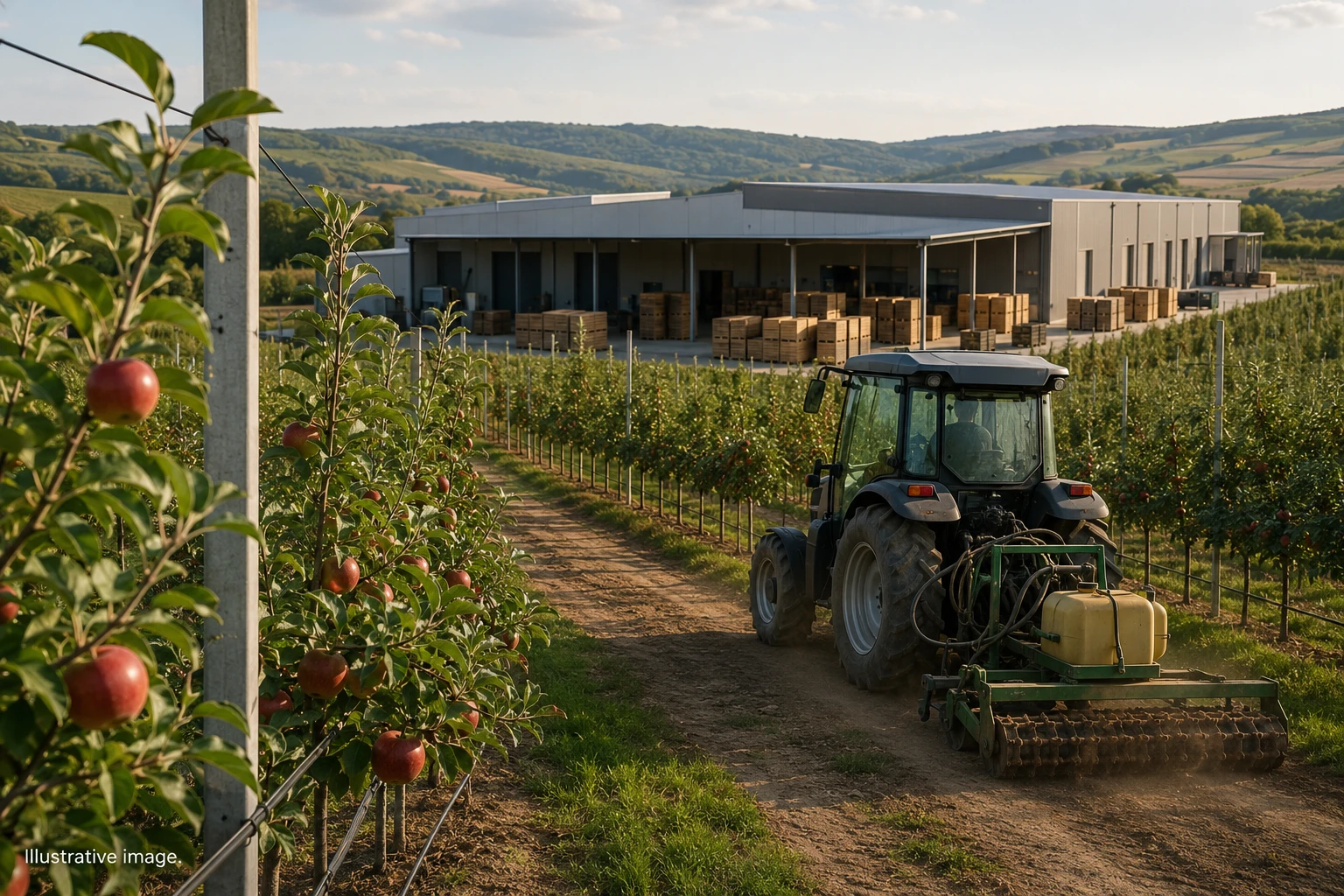
Specifically, this is provided for by a financing agreement between Moldova and the European Investment Bank (EIB), which was signed on June 29, and the government has now approved the draft ratification of the agreement. It is planned that this EIB financing will be directed toward supporting investments in horticulture, viticulture, the grain sector, livestock farming, aquaculture, processing, post-harvest infrastructure, digitalization, and irrigation. This will enable farmers to invest in high-performance equipment and efficient technologies, expand production and processing capacities, improve product quality, and adapt their businesses to market demands. Approximately 90% of the credit resources—about 135 million euros—will be directed to micro, small, and medium-sized enterprises in the agri-food sector through loans provided by banks, leasing companies, and non-bank lending institutions. Up to 10% of the loan—approximately 15 million euros—will be used to support government investments in agricultural research infrastructure, education, food safety, and public services focused on the agri-food sector. The “Fruit Garden of Moldova II” project will help improve the competitiveness of agricultural producers, develop agri-food value chains, create and preserve jobs in rural areas, generate new economic opportunities, strengthen food security, and align the sector with European Union standards. The project is expected to mobilize more than 300 million euros in investments in the agri-food sector. The “Fruit Garden of Moldova II” project builds on a previously implemented program in partnership with the EIB and is part of the investment projects included in Moldova’s Reform and Growth Facility. The “Fruit Garden of Moldova II” project represents a continuation of efforts to modernize agriculture, enhance the competitiveness of the horticulture sector, and facilitate access to financing. The previous “Fruit Garden of Moldova” project supported approximately 620 investment projects in Moldova’s agricultural sector. Financial resources were directed both toward supporting private investments—in post-harvest infrastructure, orchards, vineyards, nurseries, the winemaking sector, agricultural processing, and value chains—as well as to modernize educational and research institutions in the agricultural sector. Thanks to these investments, carried out as part of the “Fruit Garden of Moldova” project, many producers have already been able to modernize their production and enter new export markets, strengthening the position of Moldovan products in foreign markets. According to the Ministry of Agriculture and Food Industry, the new financing of 150 million euros, provided on preferential terms, will help attract a total of more than 300 million euros in investments, including contributions from the final beneficiaries. The main expected outcomes include the modernization of agri-food infrastructure, the creation of jobs in rural areas, an increase in exports of value-added products, and a reduction in dependence on food imports. // 29.07.2026 — InfoMarket.
The EIB will allocate 150 million euros to modernize Moldova's agri-food sector
The EIB will provide a 150 million euro soft loan for the implementation of the “Fruit Garden of Moldova II” project to finance investments in the development and modernization of the agri-food sector