Agriculture
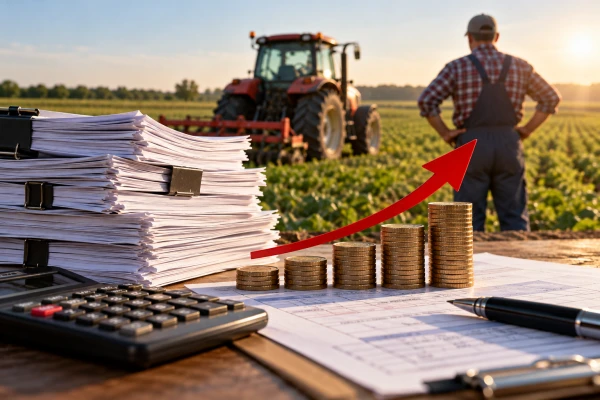
Farmers in Moldova will be able to receive up to 2 million lei for agricultural machinery and equipment
In Moldova, farmers can receive up to 2 million lei from IFAD on favorable terms to purchase agricultural machinery and equipment to modernize their businesses
AIPA approved the payment of 3.9 million lei in subsidies to Moldovan farmers
During the first week of September, the AIPA approved the payment of 3.9 million lei in subsidies to Moldovan farmers
The sixth meeting of the Moldovan-Austrian Intergovernmental Commission on Economic Cooperation will be held in Vienna
Vienna will host the next meeting of the Moldovan-Austrian Intergovernmental Commission on Economic Cooperation, where the parties will discuss key areas of the bilateral agenda—ranging from energy and trade to education and intellectual property. On the sidelines of the meeting, talks are scheduled with government and business representatives, as well as the signing of documents that could set new benchmarks for economic cooperation between the two countries.
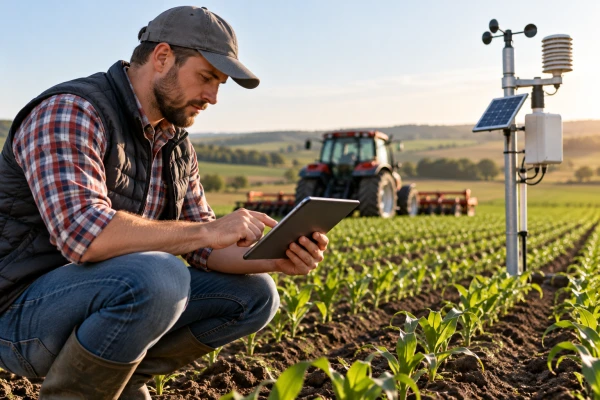
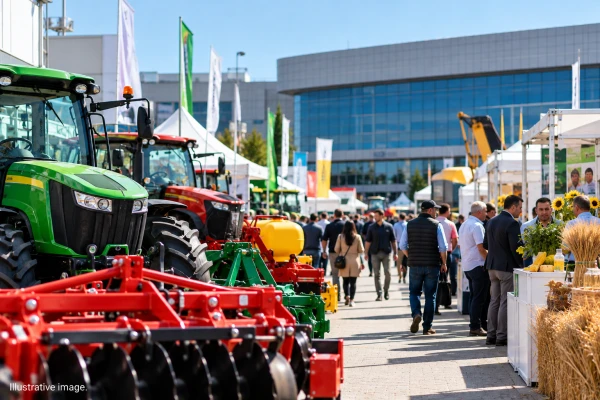
In Moldova, tractors and other agricultural equipment will be allowed on the market only after they have been type-approved
Moldova is drafting new regulations governing market access for tractors and other agricultural and forestry equipment: registration and commissioning will now require type approval and a declaration of conformity. The initiative has already passed its first reading, but questions are being raised in parliament about exactly how the oversight system will work and whether it will lead to an increased burden on the used equipment market.
InfoMarket Morning Brief | 07.09.2026
Moldova's economic agenda is being reshaped by a mix of fiscal revisions, a softer growth outlook and higher inflation expectations, while key infrastructure and trade developments continue to affect the business environment. At the same time, new regulatory steps in agriculture, labor market data and banking indicators point to important shifts that market participants will want to watch closely.
Agrocereale called for flexible licensing of grain imports to balance the market
Agrocereale believes that the licensing regime for grain and oilseed imports should not be a political ban, but rather a flexible tool that can be activated or deactivated depending on market conditions. The association points out that the decision should be based on actual production, consumption, and processing needs so as not to put pressure on prices for farmers while at the same time ensuring that processing plants are not left without raw materials.
Moldova's agricultural exports have begun to grow again after three years of decline
After three years of continuous decline—from approximately 1.94 billion to 1.39 billion euros—Moldova's agricultural exports resumed growth starting in the third quarter of 2025 and reached 1.79 billion euros - Veaceslav Ioniţă
Farmers are calling for the temporary licensing of grain and oilseed imports to be extended through the end of 2026
The Farmers' Association stated that the current temporary licensing regime for imports of grains and oilseeds is too short and does not provide sufficient protection for the domestic market amid intense pressure from external prices. Industry representatives warn that without an extension of the mechanism and a revision of its parameters, the situation could worsen in the coming months, and farmers are prepared to take protest action.
In Moldova, the temporary licensing system for imports of grains and oilseeds will remain in effect until October 31, 2026
In Moldova, the parliament has definitively approved a temporary licensing regime for imports of grains and oilseeds; however, by the time of the second reading, the bill had been significantly shortened and amended. The decision has already drawn criticism from the author of the initiative, who warns of risks to local farmers and points to controversial amendments to the control mechanism.
Moldova will establish a legal framework to consolidate agricultural organizations and facilitate access to financing
Moldova is developing a new legal framework to bring agricultural producers together and simplify their access to financing in line with EU standards. The initiative will address mechanisms for farmers to collaborate, support for industry associations, and oversight of their activities, which could significantly change the rules of the game in the agri-food market.
Temporary licensing of grain imports will protect producers from unfair competition
Parliament approved in the first reading a bill on temporary licensing of grain and oilseed imports, which the authors cite as a measure to protect local producers and ensure stricter control over raw material flows. This article examines the risks to the market and logistics that some see in this measure and why it has already sparked a debate between processors and farmers.
Moldova intends to attract new investment from Denmark in key sectors
The portfolio of projects supported by Denmark in Moldova now exceeds 60 million euros, and our country is committed to attracting Danish investment in IT, agriculture, and the agri-food sector, as well as in energy-efficient buildings and green energy
Moldova's Railways Increased Agricultural Exports and Freight Transit in August
In August, "Moldova Railways" facilitated the export of approximately 28,530 metric tons of agricultural products and transported 18,020 metric tons of cargo in transit.
Loading…