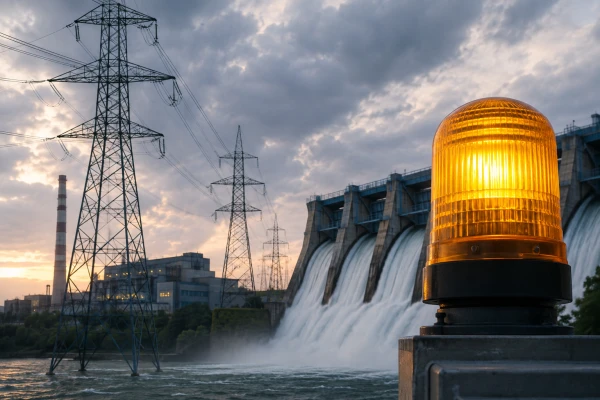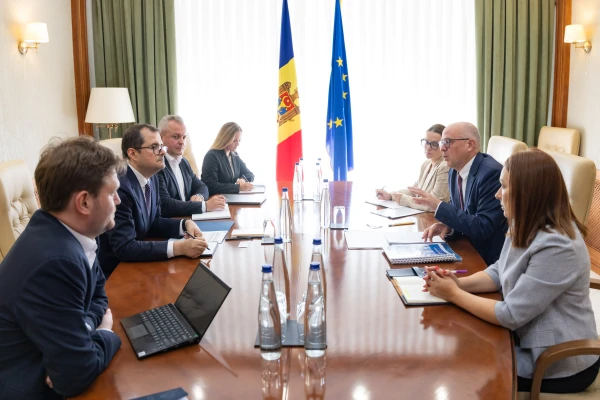
Moldova has declared a 60-day state of emergency in the energy and hydrology sectors
A state of emergency has been declared in Moldova's energy and hydrological sectors at the national level for a period of 60 days, effective September 26, 2026.
Moldova plans to declare a state of emergency in the energy and hydrological sectors
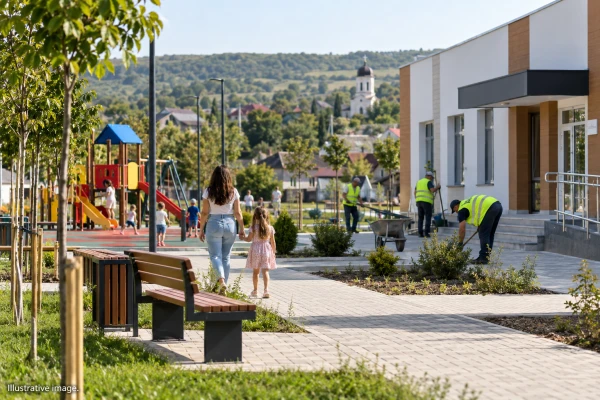
Moldova has completed another series of local development projects covering a range of areas—from road and utility infrastructure to street lighting and the improvement of public spaces. The full version of this article provides details on the work completed, the geographic scope of the projects, and how they will impact the lives of residents in various communities across the country.
A large-scale program to modernize the centralized heating system has been launched in Moldova's two largest municipalities; it will affect hundreds of residential buildings and change the way heat consumption is billed to consumers. The government has approved specific measures designed to accelerate the work and remove legal barriers to the implementation of major infrastructure projects, the details of which could prove crucial for the market and residents.
In Moldova, inflation was recorded again in August following two months of falling prices: statistics showed mixed trends in the food sector, non-food goods, and the services sector. The most notable changes occurred in specific categories of goods and rates, indicating a shift in the short-term price trend in the economy.
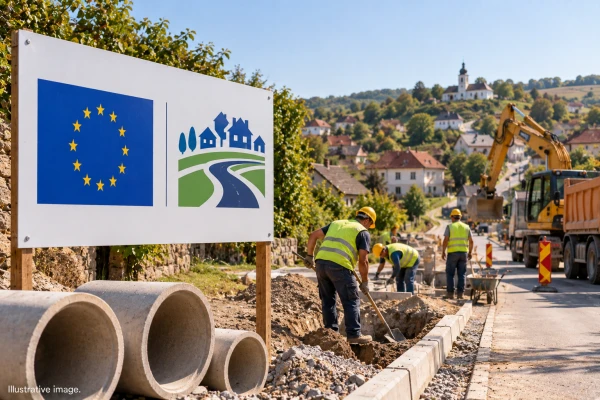
To date, the Moldovan government has allocated a total of more than 1.588 billion lei for projects under the "European Village – 2" National Program, and for projects under the "Europe Is Close" National Program — more than 697 million lei
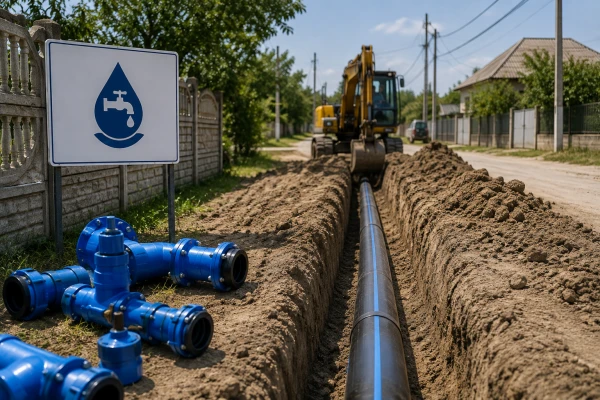
In one of the settlements in the Sholdanești District, the first phase of a project to develop a centralized water supply system has been completed: new pipelines have been built, key infrastructure facilities have been put into operation, and the first customers have been connected. Meanwhile, local authorities are preparing the next phase, which is expected to significantly expand the system's coverage and provide water to the entire settlement.
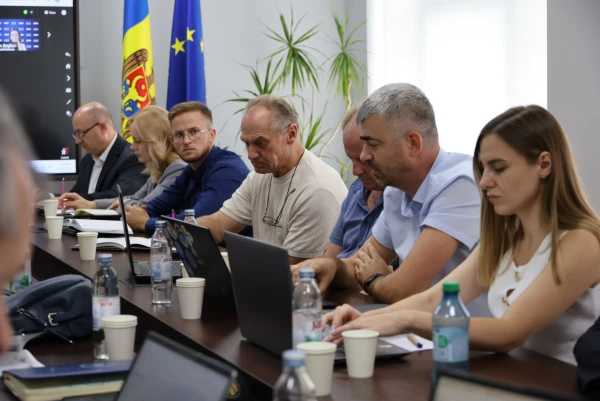
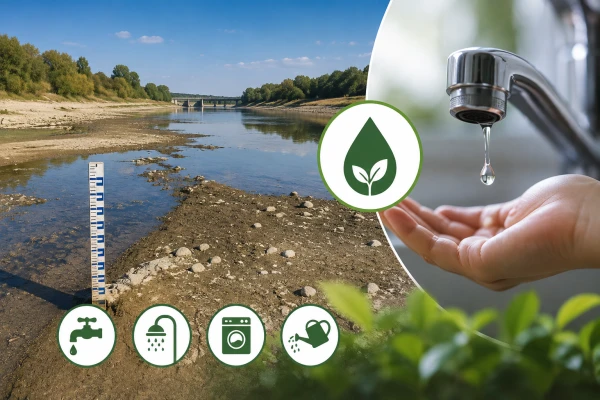
Moldova and Ukraine have agreed on a temporary arrangement regarding the Nistru River amid a drought and declining water levels in the reservoir. The decision was made as a compromise, but the situation remains tense: both the water supply and the operation of the region's hydropower infrastructure will depend on future weather conditions.
The Moldovan government has extended the state of high alert in the energy and hydrological sectors for another 30 days, effective August 27
Moldova's Environment Ministry has clarified the hydrological situation on the Dniester, saying current water levels remain stable for now but warning that the balance is becoming harder to maintain as upstream reserves are rapidly shrinking. The issue is expected to be discussed at an upcoming bilateral commission meeting, while authorities are urging businesses, farmers and households to cut non-essential water use.
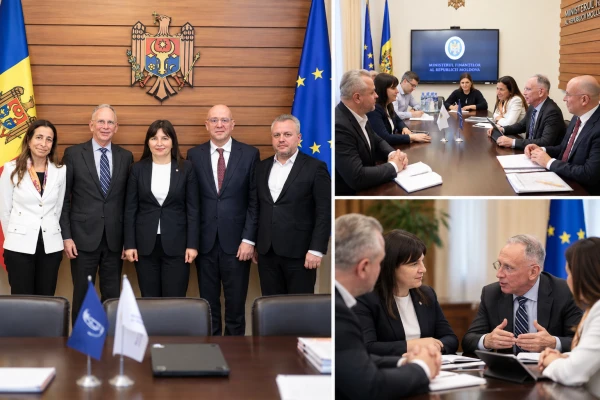
The World Bank will continue to support Moldova's modernization; the World Bank Group's portfolio in our country currently includes 14 operations totaling 735.4 million euros, and the World Bank has implemented projects totaling approximately 1.6 billion euros.
Moldova has wrapped up a new batch of regional development projects aimed at improving local infrastructure and public services. The completed works covered road repairs, street lighting, and water supply upgrades, affecting tens of thousands of residents and a range of public and business users.
The Moldovan government has approved a new program for the development of water supply and sewerage systems for the coming years, which calls for sweeping changes in the sector's management, financing, and service quality. The authorities expect to significantly expand public access to safe water and sanitation, but the document specifically emphasizes that achieving these goals will require additional resources and tighter coordination at the local level.
The National Confederation of Employers of Moldova did not support the initiative for new environmental fees for pharmaceutical and cosmetics companies in its current form, citing unclear rules for calculating the payments and the lack of the necessary infrastructure for their implementation. The Confedeation believes that the mechanism requires a phased rollout and further discussions with the business community and relevant stakeholders.
Loading…