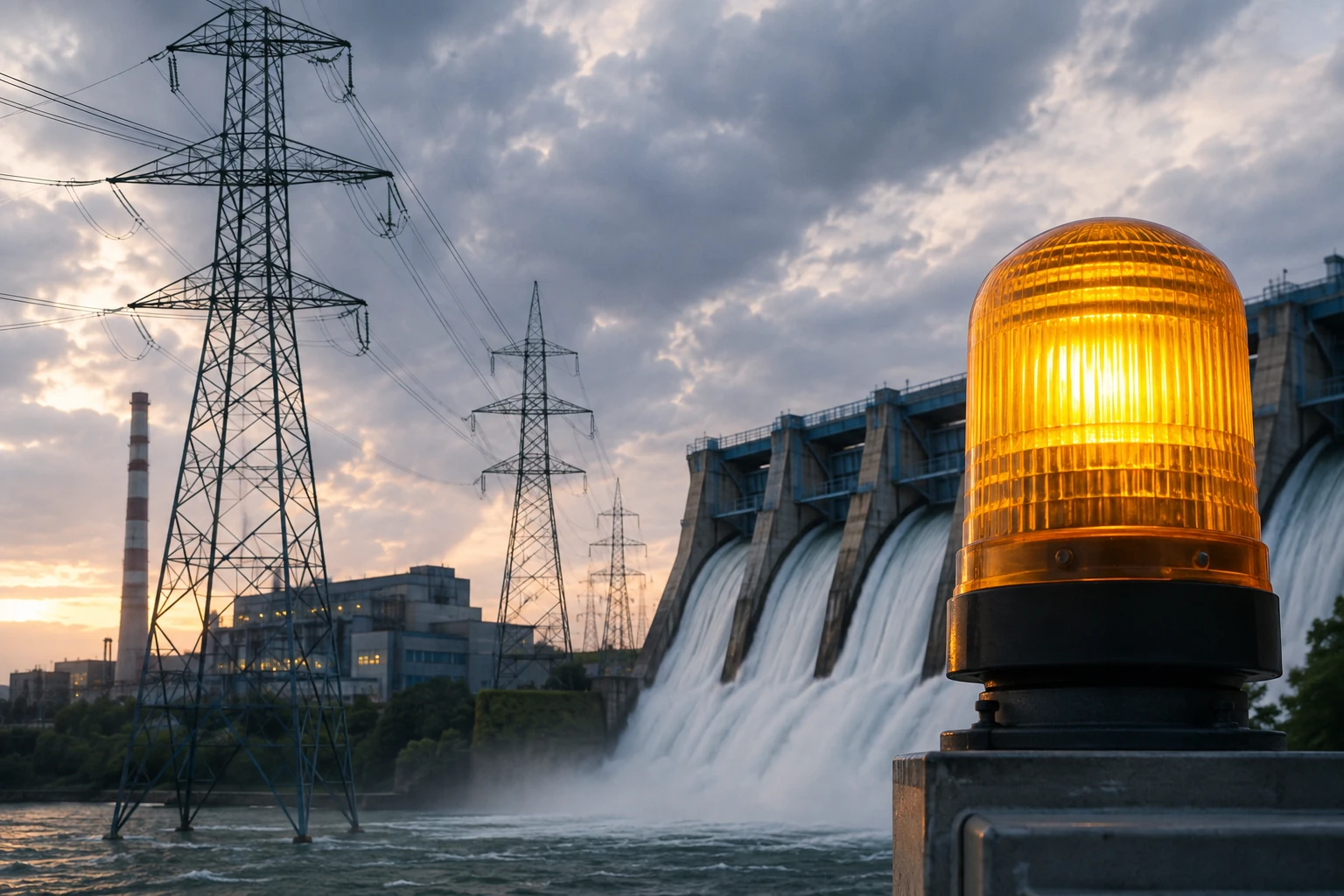
This decision was adopted in light of the ongoing risks to the country's fuel, electricity, and water supplies. Extending the measures will allow the authorities to monitor reserves and import flows, promptly resolve administrative and logistical bottlenecks, coordinate energy procurement, and bring new storage and generation capacity online. According to Sergiu Diaconu, Director of the National Crisis Management Center, the supply of electricity, fuel, and water is currently secure; however, regional and logistical risks persist, and the margin of safety for the power and hydrological systems remains limited. For example, fuel reserves have increased from less than 5 days' worth of consumption to 8 days, and the number of gas stations without diesel fuel has decreased from more than 100 to fewer than 33. These are stations that do not import fuel but instead resell it. In the hydrological sector, the water level in the Novodnistrovsk Reservoir has dropped more than 9 meters below normal, and in the Costesti–Stinca Reservoir—by nearly 7 meters. Some rivers in the region have dried up almost completely. Extending the state of emergency will allow for the continuation of measures to prevent disruptions in the supply of drinking and industrial water to the population, hospitals, schools, and social institutions; to curb unauthorized water abstraction; and to monitor the technical condition of wells. The government initially introduced the state of high alert in the two sectors on July 28 for a period of 30 days. // 26.08.2026 — InfoMarket.
Moldova has extended the state of high alert in the energy and hydrology sectors for another 30 days
The Moldovan government has extended the state of high alert in the energy and hydrological sectors for another 30 days, effective August 27