

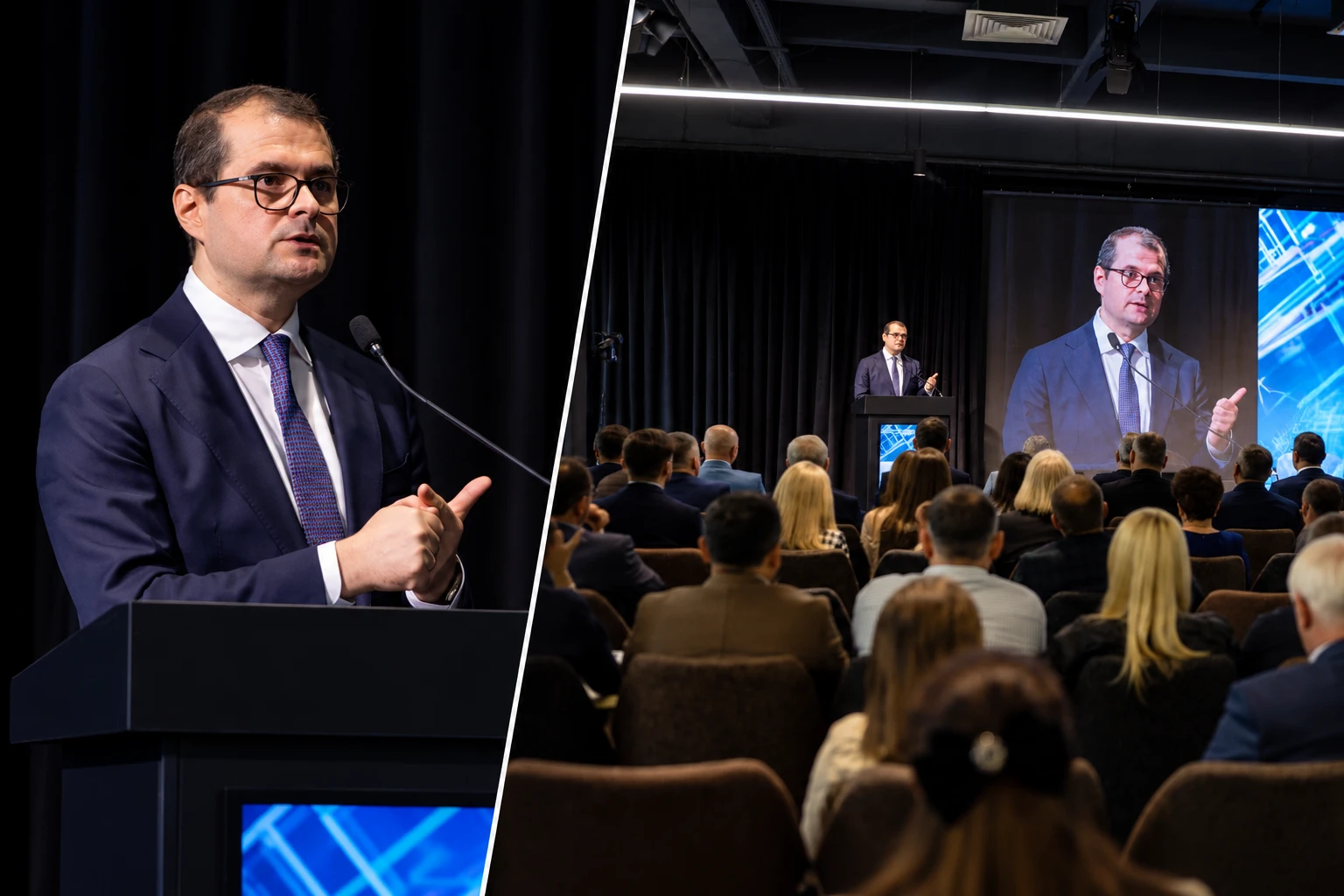
The prime minister made this statement while participating in the 3rd "Dialogue in Support of Industry" (Dialogul Pro-Industrie) forum, which brought together representatives from approximately 350 companies, government agencies, and development partners in Chișinău. The event, organized by the Chamber of Commerce and Industry, focused on the prospects for industrial development and enhancing the competitiveness of Moldovan enterprises. During his discussion with entrepreneurs, Vasile Tofan highlighted positive trends in the sector. In the first six months of the year, industrial output grew by approximately 8%, while exports increased by about 12% over the first seven months. At the same time, the prime minister emphasized the need to consolidate these results by boosting investment and modernizing enterprises' technology, which will help increase productivity and raise the value added of products manufactured in Moldova. The Prime Minister also spoke about the need to build a more resilient economy, including by diversifying export markets and reducing companies' vulnerability to external shocks. The Prime Minister cited the Chișinău Glass Factory as an example—a company he had previously helped transform from a loss-making enterprise into a successful business—while emphasizing the important role of investment, technology, and effective management. "The government is making life easier for entrepreneurs, reducing the bureaucratic burden, and creating more favorable conditions for investment and development. At the same time, I urge the business community to speak frankly to us about what isn't working and to initiate the changes necessary to boost competitiveness," said Vasile Tofan. In this context, the prime minister also addressed the issue of the tax burden on the wage fund, noting that the measures adopted so far are only the first step, and the government plans to implement more substantial reductions in labor taxes in the next stages of tax reform. The program for the "Dialogue in Support of Industry" forum includes sessions dedicated to industrial policy, mechanisms for supporting enterprises, human capital development, innovation, European standards, digitalization, and the use of cutting-edge technologies to boost companies' productivity and competitiveness. // 02.10.2026 — InfoMarket