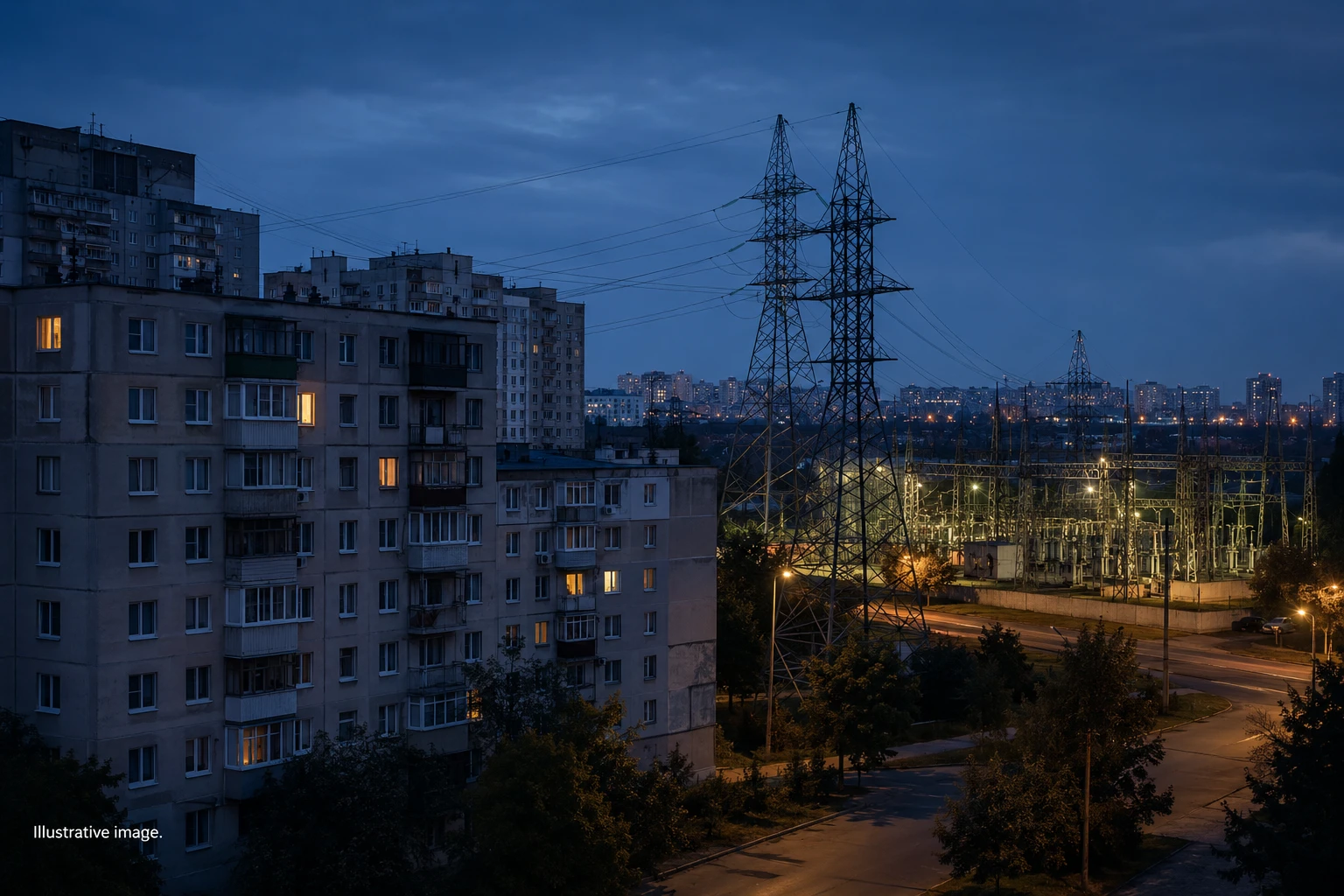
According to the Ministry of Energy, the significant drop in the Danube’s water level is affecting the operation of some power plants in the region, including nuclear power plants that use river water for cooling. This situation could lead to a temporary reduction in available generation capacity, an increase in the need for imports, and greater price volatility in regional electricity markets. In this context, the controlled shutdown of power units 1 and 2 at the Cernavoda Nuclear Power Plant in Romania results in the removal of a total of approximately 1,400 MW of capacity from the Romanian power system. This capacity is equivalent to approximately 19–20% of Romania’s electricity consumption during peak periods. The simultaneous shutdown of two power units could lead to an increase in the demand for electricity from other sources, including imports, and could put upward pressure on trading prices in Romania’s “day-ahead” market. Moldova purchases, depending on its needs and commercial terms, approximately 10–15% of its required electricity on the market operated by OPCOM. Thus, the direct impact on the average cost of electricity procurement in Moldova is assessed as limited, but will depend on the duration of the regional capacity outage, consumption levels, and price dynamics during the relevant hours. Currently, electricity is being supplied to consumers in Moldova under normal conditions, without any restrictions or interruptions caused by the regional situation. However, given the instability of regional markets and high temperatures, the rational use of electricity can help reduce procurement costs and maintain the balance of the power system. According to weather forecasts, a rise in air temperature to approximately 35–38°C could lead to an increase in residential electricity consumption of about 15–20%, primarily due to the active use of air conditioners and air-conditioning systems. Weather conditions can also affect electricity generation from renewable sources. Periods of low air circulation and low wind speeds can reduce electricity generation by wind power plants. In the case of photovoltaic systems, electricity generation depends primarily on solar irradiance and cloud cover. Very high temperatures reduce the conversion efficiency of photovoltaic panels, but overall generation may remain high during periods of intense solar radiation. Therefore, the actual change in electricity generation from photovoltaic systems will depend on all weather conditions. Consumers are encouraged to voluntarily use electricity responsibly during periods of peak demand—especially from 6:00 p.m. to 11:00 p.m.—and, whenever possible, to shift the use of energy-intensive household appliances to periods of lower demand. It is recommended, whenever possible, to use washing machines, dryers, electric water heaters, electric ovens, and other energy-intensive equipment outside peak hours. These recommendations are preventive and voluntary in nature. As noted by the Ministry of Energy, the power supply is operating normally; the relevant agencies are constantly monitoring the situation and are ready to intervene in the event of incidents that could affect the functioning of the power grid, including under the current heightened state of readiness in the energy sector. // 30.07.2026 — InfoMarket.
Moldovan authorities have called for energy conservation following the shutdown of units at the Cernavoda Nuclear Power Plant
Moldovan authorities have urged citizens to conserve electricity during peak hours amid the temporary shutdown of power units at the Cernavoda Nuclear Power Plant, which could lead to a temporary reduction in available generating capacity, an increase in import needs, and greater price volatility in regional electricity markets