


Starting in 2027, Moldova will set aside preferential sugar imports from the EU for processors
Starting January 1, 2027, Moldova plans to reserve the entire volume of sugar imported from the EU under the tariff quota for processors
Starting January 1, 2027, Moldova plans to reserve the entire volume of sugar imported from the EU under the tariff quota for processors
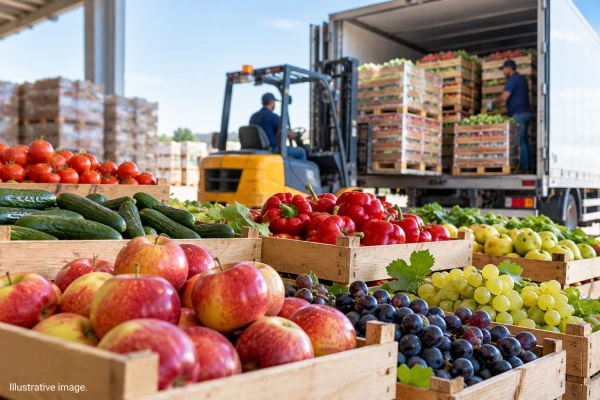
Moldova's exports in August 2026 totaled 268.5 million euros, down 16.2% from the previous month

Moldova's economic agenda for the coming days is packed with decisions that could reshape taxation, investment and trade, while fresh data point to mixed external demand and ongoing pressure on inflation and growth. The full briefing also tracks major financing for infrastructure and agriculture, new business projects, and several policy moves that may affect companies and households alike.

Moldova is preparing new regulations for the detergent market: manufacturers and importers will have to switch to digital product labeling and enhanced traceability of ingredients. The reform will affect requirements for packaging, environmental performance, and sales monitoring, and the industry already expects it to have a significant impact on costs and prices.

ANSA is developing a new mechanism to monitor certain imported shipments, which will allow it to receive advance notice of shipments posing heightened risks. The agency expects this to speed up the processing of shipments and help plan border inspections more accurately, but the details of the procedure and the list of cases in which notification will be mandatory are still under discussion.

Starting November 1, the state-owned enterprise "Moldovan Railways" will increase freight rates—including those for exports, imports, transit, and domestic shipments—by 15%

In September, Energocom increased its electricity purchases amid new market conditions, with imports continuing to account for the bulk of the volume. The company also notes a change in the structure of its purchases, which affects the weighted average price and highlights the role of peak hours and contracts with regional suppliers.

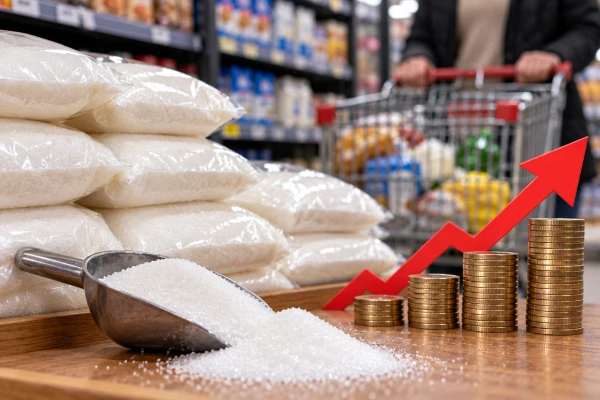
In Moldova, there is discussion of a sharp change in the tax burden on sugar, which, according to industry estimates, could have a significant impact on both consumer prices and the stability of the entire sector. Producers are warning of risks to the domestic market, investment, and employment, as well as potential consequences for the supply chain and competition with imports.

Moldova will expand its production capacity for seeds and planting material and improve the procedures for their inspection and certification

For most goods from Moldova, the additional U.S. tariff—which stood at 25% just a year ago—no longer applies

Moldovan authorities are declaring a state of emergency in the energy sector to enable them to respond quickly to the situation and deviate from standard procurement procedures, so that diesel fuel prices do not exceed the psychological threshold of 40 lei
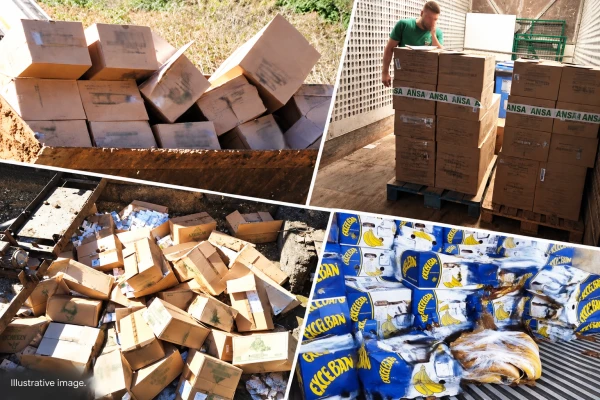
In Moldova, 24 metric tons of imported bananas and green tea that did not meet safety requirements were destroyed


The Moldovan Ministry of Agriculture discussed measures to develop and support the livestock sector and expand access for domestic dairy products to retail chains
Loading…