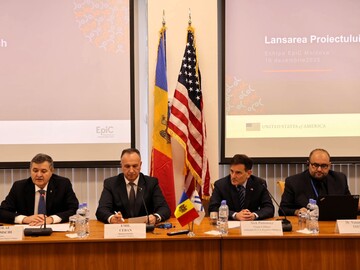
The United States has launched the Meeting Targets and Maintaining Epidemic Control (EpiC) Moldova Global Health Security program worth $3.5 million
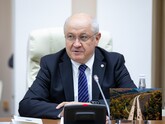
As reported by the US Embassy in Chisinau, Chargé d'Affaires Nick Pietrowicz and Moldovan Health Minister Emil Ceban welcomed the official launch of this program, which aims to strengthen Moldova's capacity to prevent, detect, and respond quickly to threats of infectious diseases and antimicrobial resistance. “This initiative will help make our countries safer by stopping the spread of infectious diseases,” the US Embassy in Moldova emphasized. The Meeting Targets and Maintaining Epidemic Control (EpiC) Moldova Global Health Security program is being implemented with $3.5 million in external assistance from the US. According to the Ministry of Health, the official launch of the EpiC Moldova program took place at the National Public Health Agency. This global project aims to strengthen public health systems and assist partner countries in preventing, detecting, and responding effectively to epidemiological threats. The EpiC Moldova project is in line with national health strategies and priorities, especially those related to combating antimicrobial resistance and strengthening health security. Antimicrobial resistance is one of the biggest challenges the modern medicine is facing. No country can tackle this phenomenon alone, and success depends on coordinated action by government agencies, hospitals, healthcare workers, and, equally important, communities and families. The EpiC program provides the tools needed to translate policy into action and action into measurable results. The EpiC program focuses on three main areas: digitizing epidemiological surveillance by implementing modern systems for real-time monitoring of pathogens, antimicrobial resistance, and antibiotic consumption; strengthening infection prevention and control in hospitals through the functioning of multidisciplinary committees and continuous training of medical staff; informing and engaging the public to reduce the irrational use of antibiotics and promote a culture of collective responsibility. "This program is a step towards a modern, digitized, sustainable, and interconnected healthcare system that meets international standards. This action is for the benefit of our citizens and a direct investment in the health of future generations," said Health Minister Emil Ceban. He said it was extremely important for hospitals to implement an antimicrobial stewardship system as soon as possible, improve digital reporting, and actively participate in infection prevention and control committees. "Antimicrobial resistance is not an abstract problem; it affects our patients, our families, and the future of the healthcare system," Emil Ceban noted. In Moldova, the EpiC project will collaborate with regional and local organizations, providing specialized technical assistance at all levels of the health system. The implementation of the project will contribute to better preparing the country to prevent and manage biological risks, as well as strengthening the resilience of the public health system. // 11.12.2025 — InfoMarket.