


Inflation is being curbed with expensive loans. But who will save Moldova's economy?
Commentary by InfoMarket
Commentary by InfoMarket
In October, Moldova's domestic public debt declined slightly after hitting a record high the previous month; however, it has still risen significantly since the beginning of the year. The main drivers of this trend were operations in the government bond market and direct sales to the public, while significant changes persist in certain types of securities and interest rates.

Moldova's external debt has increased significantly over the past decade and reached a new high by the end of 2025, according to a recent World Bank report. The report also provides data on the structure of the country's liabilities, the burden on the economy, and the terms of new borrowing, which allow for an assessment of how sustainable the country's debt position remains.
Moldova's foreign currency reserves increased in October, supported by budget inflows, reserve management income and exchange-rate effects, according to the National Bank. The rise was partly offset by external debt servicing and other outflows, while the latest data point to several underlying factors shaping the reserve position.
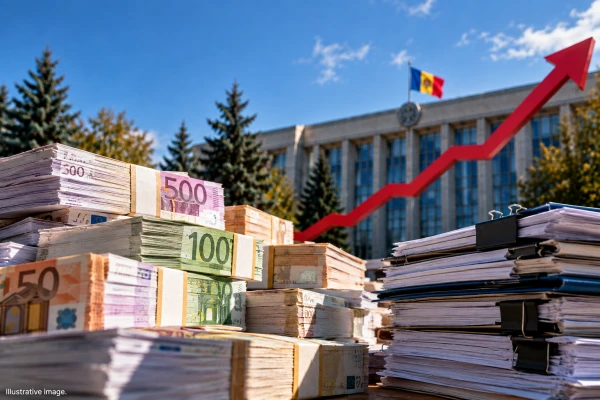
In the first half of 2026, Moldova's direct public debt to international organizations continued to grow, although trends varied among individual creditors. The most notable changes occurred at several key institutions, while a decrease was recorded for a number of other obligations.
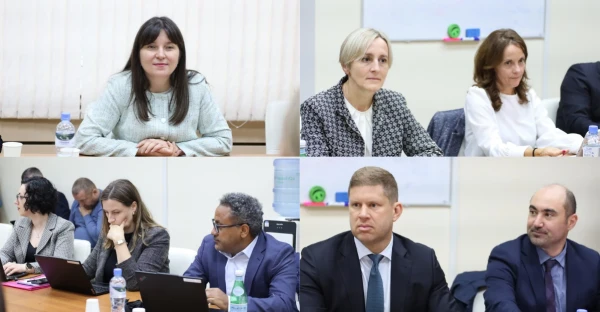
The IMF presented Moldova with recommendations on improving public financial management, with an emphasis on domestic debt sustainability, improving tax administration, reducing the budget deficit, and ensuring the sustainability of public investments


Moldova's public debt reached a new all-time high in September, continuing to rise both compared to the previous month and since the beginning of the year. The Ministry of Finance attributes the increase to trends in domestic and external debt, while the structure of the debt is also changing, and its burden on the economy remains a focus of market attention.
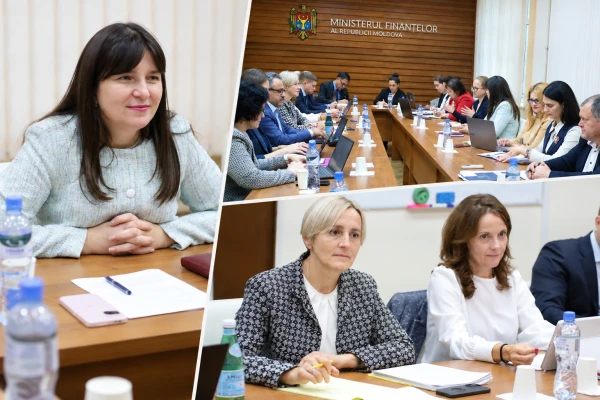
Moldova's Minister of Finance, Victoria Belous, discussed with the IMF Mission the preparation of next year's state budget, wage policy, public expenditure planning, tax policy measures, and public debt management
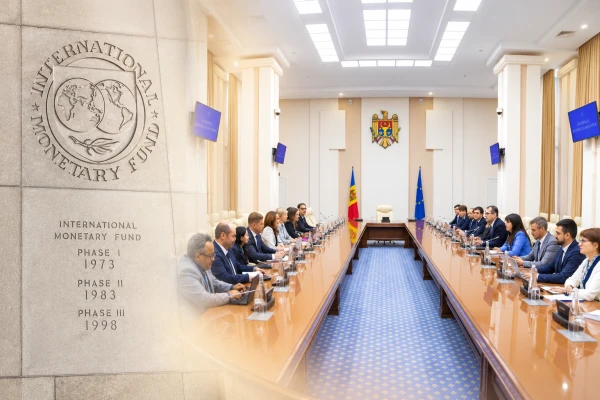
An IMF mission has begun its work in Moldova and will discuss with the government its economic policy priorities and reforms, as well as further support from the Fund
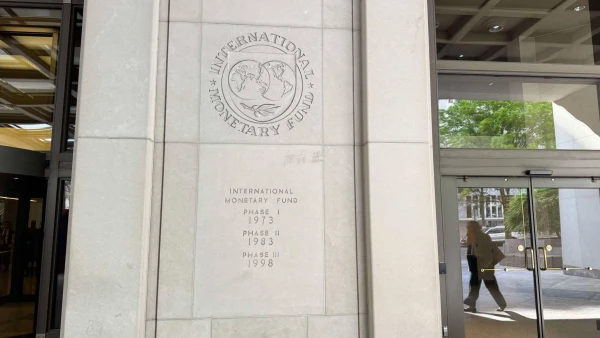
An IMF mission will return to Moldova later this month to review recent economic developments and discuss the authorities' policy priorities, with talks expected to cover the next steps on macroeconomic and financial stability. The visit comes after earlier discussions on a new medium-term program and against a backdrop of shifting growth, inflation and external balance forecasts.
Loading…