


Moldova will gain access to European civil aviation support programs
Moldova will be able to take advantage of European programs supporting civil aviation
Moldova will be able to take advantage of European programs supporting civil aviation
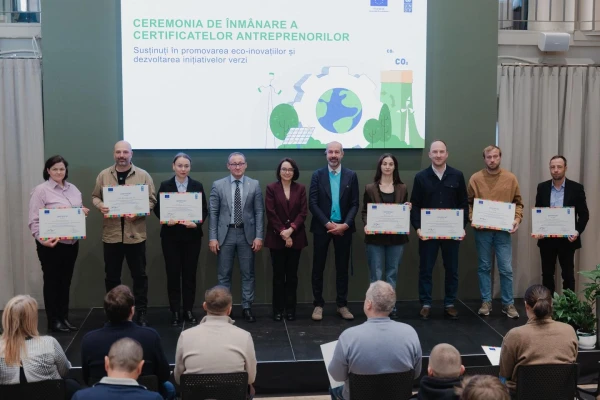
Entrepreneurs will receive support to modernize their production processes and implement eco-friendly solutions. The initiative covers various areas of "green" business and combines practical assistance with training—participants include both established companies and startups.
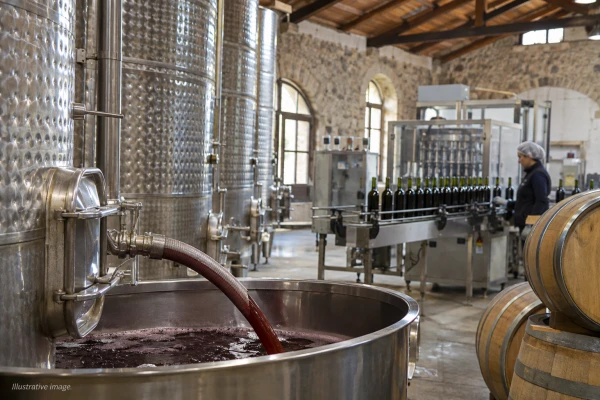
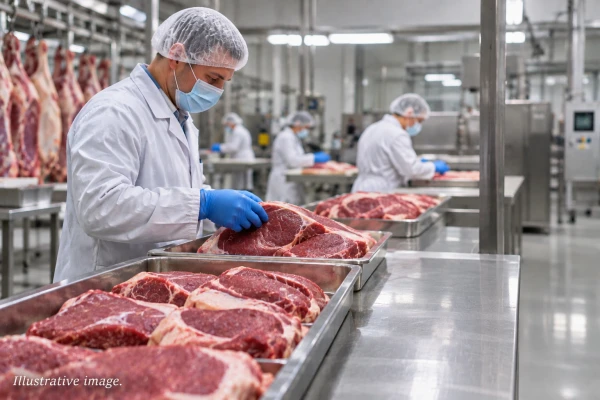
Food safety authorities are tightening controls on meat products intended for export, following an audit that highlighted the need for stronger compliance procedures. The changes put particular emphasis on production processes and verification, with important implications for processors seeking access to foreign markets.
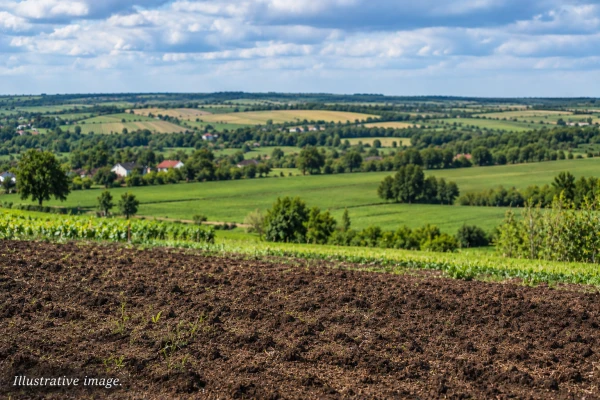
In negotiations on accession to the European Union, the authorities intend to seek special transitional arrangements regarding foreign buyers' access to agricultural land. The proposal has been discussed with representatives of the agricultural sector and investors, and its terms affect the interests of local farmers and future market participants.
The EU has moved closer to the next stage of accession negotiations with Moldova and Ukraine: an important technical phase regarding the last two outstanding clusters has been completed. The process will now move on to aligning the parties' positions, after which the next phase of negotiations may officially begin.
Moldova has been invited to present its positions on the last two negotiation clusters as part of its rapprochement with the EU, which could bring the official opening of the remaining chapters closer at the next intergovernmental conference. The decision marks another step in a process that has accelerated significantly in recent weeks and has already taken the negotiations to a new stage.
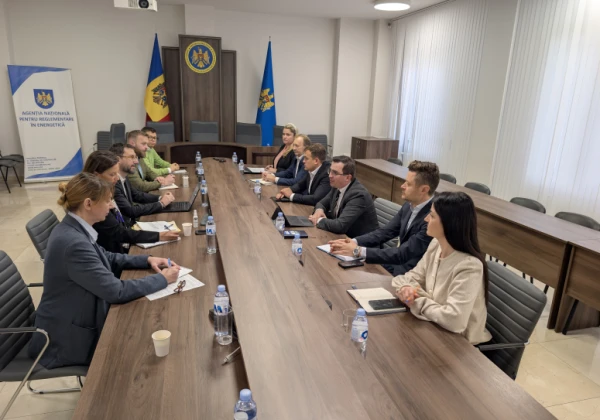
ANRE discussed with international partners the next steps toward reforming the energy sector and aligning national regulations with EU standards. The focus was on developing the electricity and gas markets, strengthening competition and increasing transparency, as well as supporting technical assistance that could influence the regulator's future decisions.
More than 597,000 applications for energy compensation have been filed in Moldova
Moldova is preparing a major overhaul of its banking supervision rules: the government has approved a package of changes that brings national regulations closer to European standards and affects not only banks but also a wider range of financial players. The document calls for stricter requirements for management, supervision, and risk assessment, and introduces new mechanisms that could significantly change how the sector operates following further consideration by parliament.
Moldova's trade deficit for the first nine months of 2026 increased significantly, although trends in key trade sectors were mixed. Against the backdrop of the growing overall deficit, changes in trade with individual partners stand out in particular, with some showing a significant widening of the deficit and others a narrowing.
The European Union is preparing the next financial support instrument for Moldova, which is intended to accompany the country through the final stage of its path toward accession. Discussions are already underway in Brussels on how to secure the necessary resources in the future EU budget and prevent any gap between current and new aid programs.
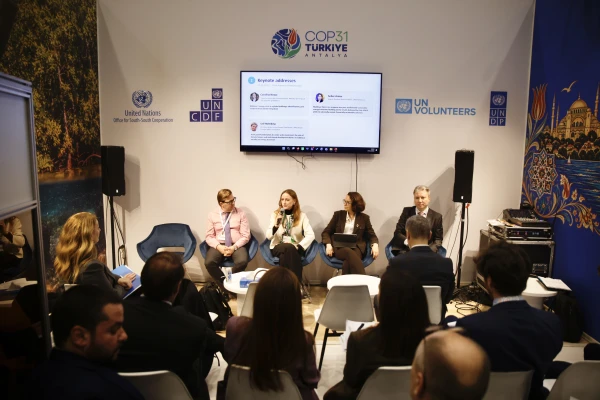
Moldova has stated that new investments are needed in power grid infrastructure, energy storage, and the digitization of distribution networks amid an accelerating energy transition. Authorities link these steps to strengthening energy security, increasing the share of renewable energy, and preparing for deeper integration into the European electricity market.
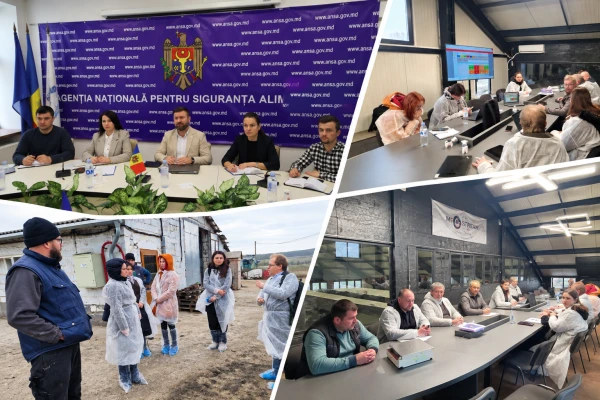
Moldova's sanitary and veterinary control system was assessed by European Commission experts as part of the country's preparations for accession to the European Union
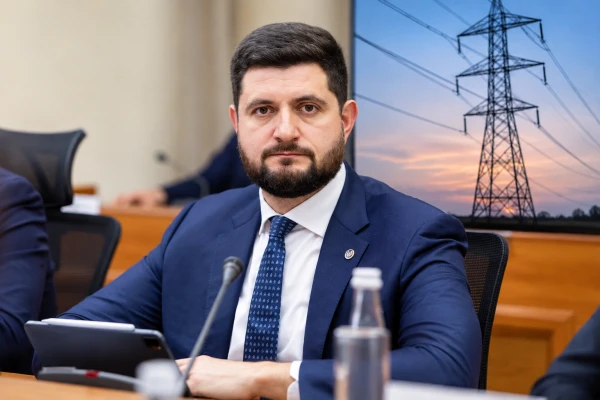
Electricity from Romania and other EU countries has been flowing into Moldova's power hub via the Vulcănești–Chișinău power line for more than 48 hours - the Ministry of Energy
Loading…