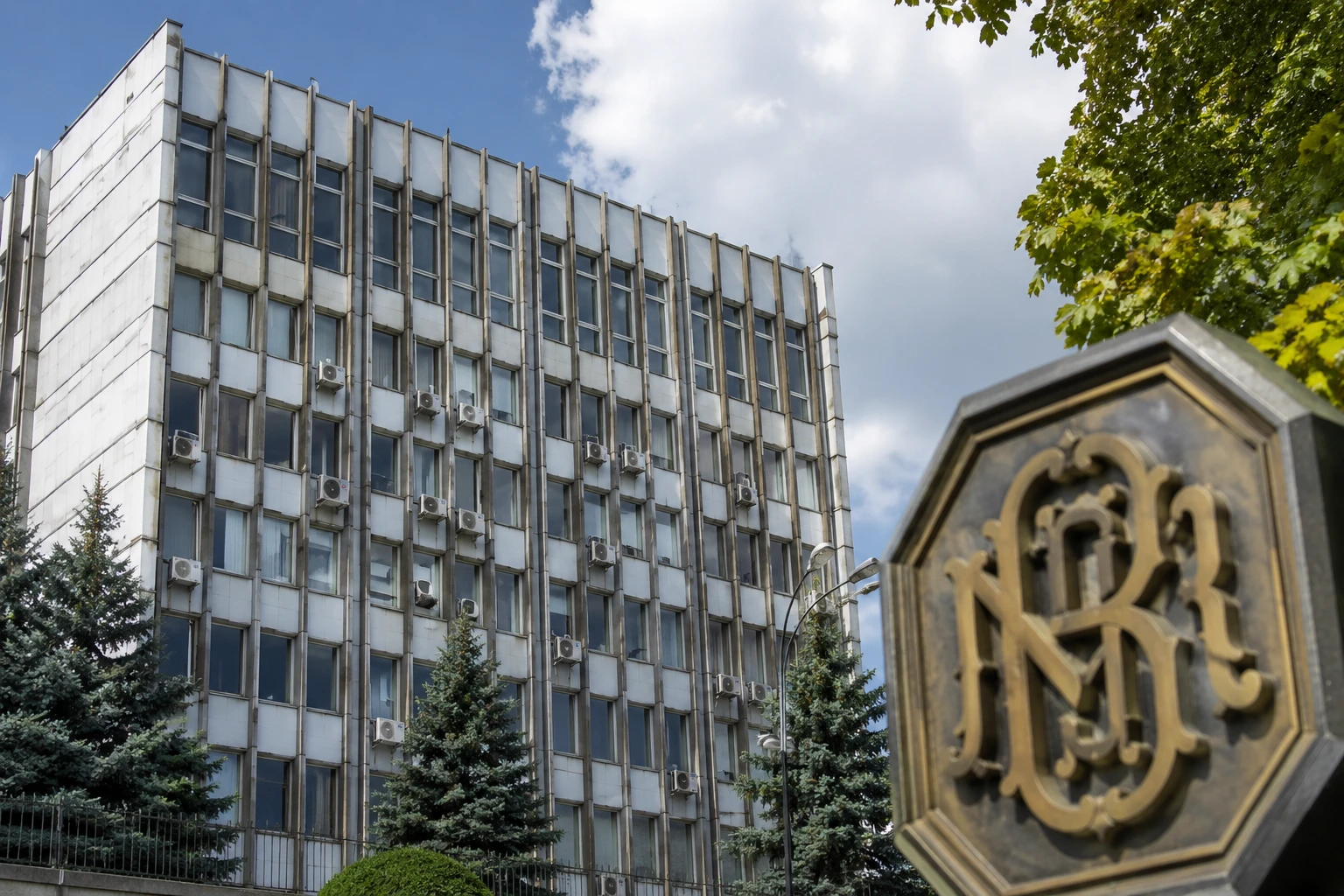
Specifically, in the context of a cyberattack targeting certain digital government services, the National Bank of Moldova notes that false information and misinterpretations regarding the banking sector are circulating in the public sphere, which may mislead citizens. The BNM urges citizens to obtain information only from official sources and to make decisions based on information confirmed by the authorities and the banks whose services they use. As the BNM notes, banks manage customer accounts in their own secure systems, which are distinct from the public platforms that were targeted in the attack. Knowing an IBAN (the code that identifies a bank account) does not grant access to withdraw or transfer money from the account. Transactions require the verifications and authorizations mandated by the bank. Therefore, claims that discovering an IBAN grants access to a person's savings are false. At the same time, banks and payment service providers are required to comply with mandatory minimum requirements regarding information security, IT risk management, and business continuity, as established by the BNM's regulatory framework. These requirements are designed to protect information systems and the information processed by financial institutions, including customer data. It is also important that citizens do not disclose account passwords, PINs, card security codes, or verification codes received via SMS or in a banking app. This information should not be shared with individuals claiming to represent a bank or government agency. As noted by the BNM, any such request should be verified directly with the bank using the phone number listed on the card or the contact information published on its official website. At the same time, the BNM emphasizes that Moldova's banking sector is currently stable and well-capitalized. Banks have the financial resources and reserves necessary to fulfill their obligations to customers even in unforeseen circumstances. Reforms in recent years have brought greater transparency and stricter regulations, while banking supervision has become more rigorous. These changes have strengthened the banking sector and enhanced customer protection measures, bringing it closer to European standards. The National Bank of Moldova continues to monitor banks' activities and track the sector's development, noting that maintaining financial stability, ensuring the smooth functioning of banking services, and protecting depositors' interests remain the institution's priorities. // 02.11.2026 — InfoMarket
The National Bank of Moldova urged the public not to believe misinformation about the banking sector following a cyberattack
The National Bank of Moldova urges the public not to fall for misinformation about the banking sector that has been circulating since the cyberattack