Moldova has launched the REUȘIM program, aimed at reducing bureaucracy, simplifying legislation, and modernizing the relationship between the state and the business community
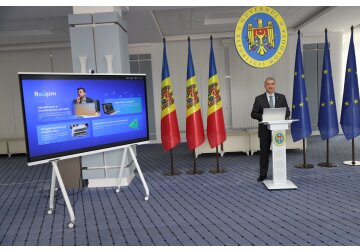
At a press conference on May 18, Minister of Economic Development and Digitalization Eugen Osmochescu presented the main directions, goals, and expected results of the program, which aims to create a simpler, more predictable, and investment-friendly economic environment. The program includes three key areas: simplifying legislation and eliminating unclear or duplicative regulations, optimizing permits and reducing the administrative burden, and digitizing interactions between entrepreneurs and government agencies. The reform will affect 206 types of economic activity, which account for 44% of the country’s total economic output, as well as 116 types of permits, which are issued approximately 150,000 times annually. The Ministry noted that 27 agencies issuing permits are involved in the reform process, and 57 regulatory acts have already been amended to implement the changes. “We are reviewing more than 300 regulatory acts to identify so-called hidden permitting acts. Unfortunately, we have found quite a few of them and have decided to approach this in a structured and comprehensive manner—to review all legislative and regulatory acts in force in Moldova. We are preparing a package under which it is already known from the outset that 20 licensing acts will be repealed, as they are recognized as an abuse of the business environment,” said Eugen Osmochescu. At the same time, the Ministry has identified 444 legislative and regulatory acts governing the provision of services in Moldova, of which 106 will be amended—simplified and harmonized with EU rules. Another measure to be implemented is the introduction of zero customs duties on imports of raw materials under the end-use customs procedure, as well as on equipment. Currently, according to Eugen Osmochescu, 10–15% of the cost of goods is spent by manufacturers of baked goods, sausages, or other products on customs duties. The proposed measure is necessary to avoid intermediaries, where the same raw materials are resold multiple times, thereby increasing the final price of the products. In addition, the REUȘIM program aims to regulate the digital economy and e-commerce sectors. At this stage, as the minister noted, the Know Your Customer platform is being implemented, which will provide online identification and remote access to digital services. According to the Ministry’s estimates, the annual benefit to businesses from the measures provided for in the REUȘIM program will amount to 263 million lei. At the same time, the Ministry of Economic Development and Digitalization is calling on businesses to continue submitting proposals to streamline business operations and interactions with the government via the BizRadar mobile app (available for download from Google Play and the App Store, or on the particip.gov.md platform). // 18.05.2026 — InfoMarket.