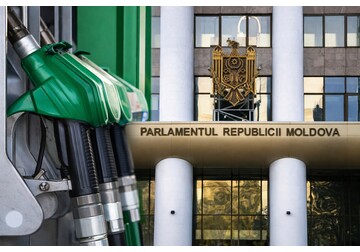
Two legislative proposals have been submitted to parliament, calling for a reduction in the VAT rate on gasoline and diesel fuel, as well as a reduction in excise taxes on these products
Both bills were initiated by representatives of opposition parties. The first bill provides for a reduction in VAT on gasoline and diesel fuel from 20% to 10%. It is proposed to introduce this measure temporarily, in the context of the oil crisis, with the aim of curbing fuel price increases and ensuring the continuity of economic activity. As noted in the explanatory memorandum to the draft, the VAT reduction should mitigate the price shock for the population and businesses, as well as limit inflationary pressure. At the same time, the draft does not provide for the creation of new institutions and, according to estimates, will not lead to direct budget losses, since the rate reduction is offset by growth in the price base. Another legislative initiative proposes establishing a reduced VAT rate of 12% on the import and supply of gasoline and diesel fuel into Moldova until the end of 2026. It is also proposed to apply excise tax rates on gasoline and diesel fuel that are reduced by 50%. According to preliminary calculations by the bill’s authors, the combined effect of these measures will reduce prices at gas stations by approximately 4.9 lei per liter, while the wholesale price of petroleum products will decrease proportionally, making it easier for farmers and transport companies to purchase fuel. Economic agents are granted the right to priority offsetting of VAT differences on fuel balances, which will prevent the drain of liquidity from transport and agricultural enterprises. The explanatory note to the draft notes that from February 28 to March 26, the maximum retail price set by the National Energy Regulatory Agency (ANRE) for diesel fuel increased by 48.3%—from 20.72 to 30.74 lei, while for A-95 gasoline it increased by 23.3%—to 29.3 lei per liter. The authors believe that such a price surge is critical for the economy, as more than 83% of this increase is due to external factors—specifically, the reflection in Platt’s of oil product transaction prices, over which national regulators have no influence. Furthermore, while excise taxes on petroleum products in Moldova are fixed, the amount of VAT increases in proportion to the import price. As a result of the expanded tax base, the tax burden per liter of diesel fuel rose from 6.64 to 8.23 lei (+1.6 lei), and for gasoline—from 10.96 to 11.91 lei (+0.95 lei). “Taxes on 1 liter of gasoline have reached 11.56 lei (44.1% of the price), and on diesel—7.76 lei (29.6% of the price). Under current conditions, the state is reaping windfall profits (in the first three weeks of March alone, the state budget received 49.9 million lei in “unforeseen” revenue solely due to rising fuel prices). Meanwhile, there are no programs in place to mitigate the “price shock” for the population,” the authors of the draft note. Furthermore, they emphasize that this situation poses a threat to food security: “Fuel accounts for 15–25% of the production cost of agricultural products. The current rise in prices is causing farmers’ costs to increase by 10% immediately during the spring work period. For exporters of grains and oilseeds, even a 5% increase in production costs is a ‘chasm’ that makes Moldovan products uncompetitive in foreign markets. But rising fuel prices affect not only agriculture but also logistics across all sectors of the economy. A mere 10% increase in fuel prices already has a cumulative effect on overall inflation of 2.4%. This inevitably leads to higher prices for essential goods (an increase of up to 4% due to delivery costs alone). The authors of the draft also note that the current situation is leading to increased energy poverty and a crisis in the transportation and logistics sector. // 30.03.2026 — InfoMarket